
Why we do not "write healthily"
A somewhat more difficult topic today - but one that we paediatricians are very concerned about. Because we are very often confronted with the fact that we are supposed to give a child a "clean bill of health". In other words, we are asked to certify schools, nurseries or childminders: This child is healthy. But we can't do that.
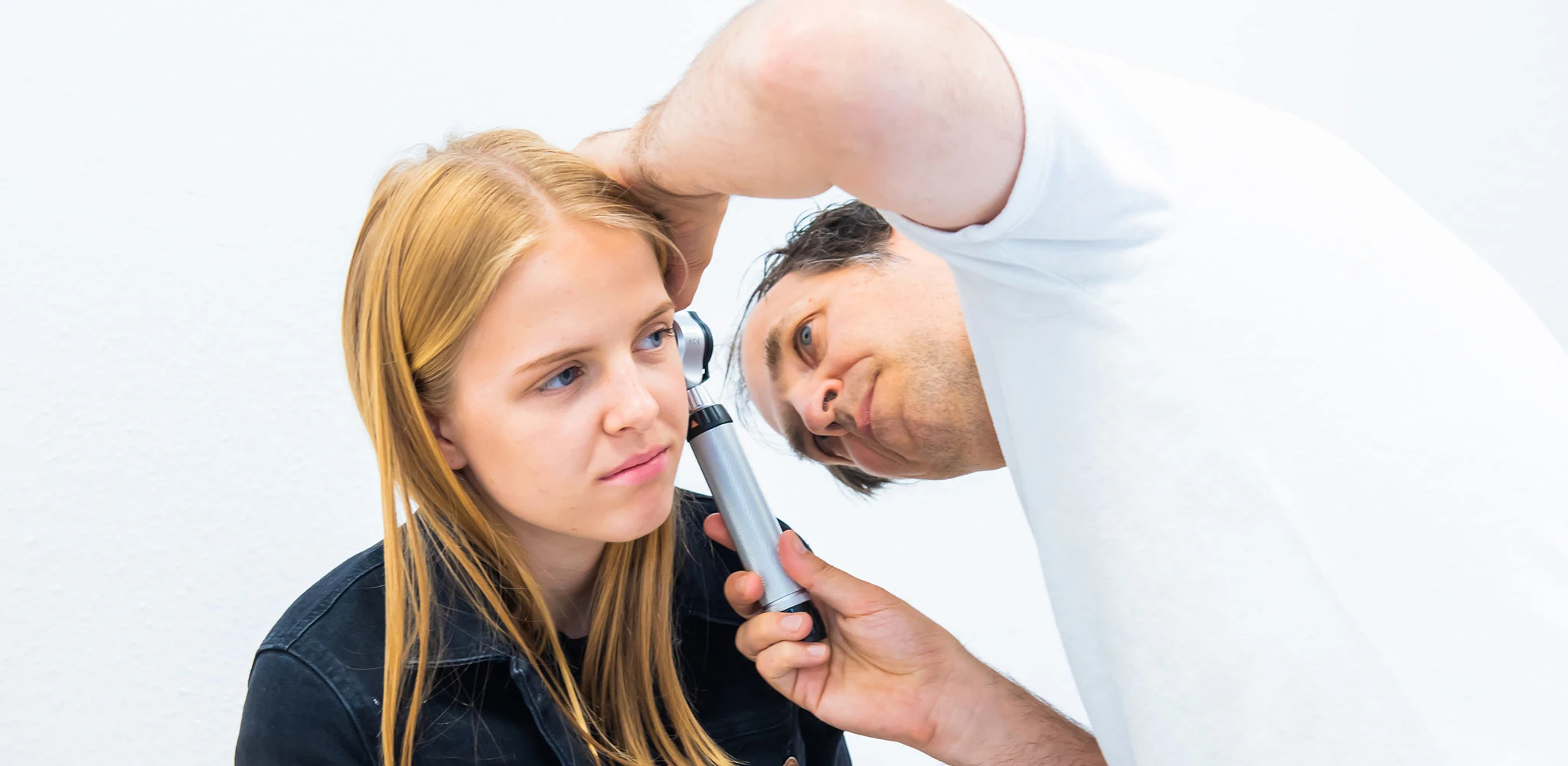
We can write children off sick. If we see that the child has certain symptoms, then we can say: "This child is ill." There are almost always clear signs of this. But we can't look at a child and say: "This child is definitely healthy." Or: "This child is definitely not infectious."
I have tried time and again to explain this to parents or representatives of institutions - not always successfully. But recently I read a really great story in a really great book ("Alles halb so schlimm" by my paediatrician colleague Stefan Nolte) that illustrates this wonderfully.
If I stand in front of a large clearing in the forest and see a hare there, then I can say: there is a hare in this clearing. However, if I look at the clearing and I don't see a hare, then I can't say that there is no hare in this clearing. I just don't see one, but I don't know if there isn't one hidden somewhere.
It's the same with sick and well notes. If we see something, we can say: the child is ill. If we don't see anything, it doesn't automatically mean that the child is healthy.
We simply have to have confidence in the parents and help them to make a good assessment of their child's state of health. And here's my tip: if your child has been at home due to illness and you think in the evening, "Wow, my child was actually so fit again today that I could have sent them to school or nursery" - then send them the next day. That works wonderfully.
Further interesting tips
Taking a temperature
Now it's getting curious. Bavaria's Minister President Markus Söder told the Süddeutsche Zeitung this week that he takes his temperature every day. And he's not the only one. But is that even necessary?
Phubbing
From what, please? Phubbing. A word that would be best if it didn't exist. It's a contraction of the two English words "phone" and "snubbing", which means to snub or offend. And it describes the moment when an interaction or communication is interrupted by reaching for a smartphone or other digital media.
Overcoming frustration
Norbert F. Schneider, sociologist and family researcher in an interview with "Der Spiegel"