
Untertemperatur? Cool bleiben!
Ein Thema, das bei Eltern oft Unsicherheit und Sorgen auslöst, ist Untertemperatur. Fast immer kann man dabei aber cool bleiben.
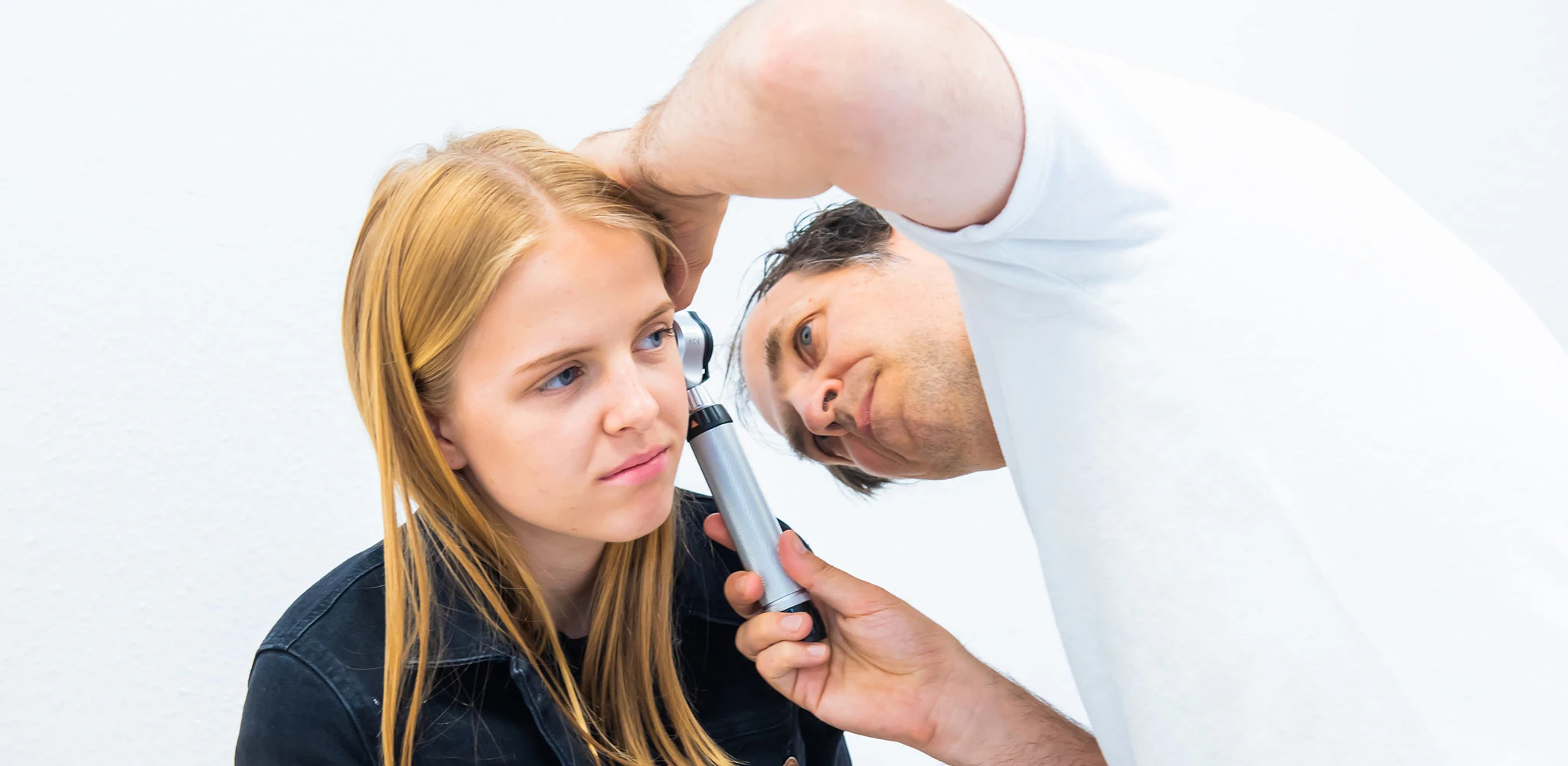
Um über Untertemperatur zu sprechen, muss man erst mal definieren, was eine normale Körpertemperatur ist. Dazu gibt's tatsächlich recht unterschiedliche Ansichten, aber im Großen und Ganzen kann man sagen, dass alles zwischen 36,3 und 37,6 Grad normal ist.
Und jetzt ist es so, dass im Internet zu lesen ist, dass Kinder, wenn sie schwer krank sind mit Blutvergiftung, Sepsis, Hirnhautentzündung oder so was, auch Untertemperatur bekommen können. Das ist auch richtig - aber: Wenn ein Kind eine solche Krankheit hat, gibt es zig andere Symptome, die lange vor einer niedrigen Körpertemperatur auffallen. Die Kinder schauen gruselig schlecht aus, sie erbrechen, sind nicht gut drauf, lethargisch, apathisch usw. Die Temperatur ist auf jeden Fall nicht das Entscheidende.
Und andersrum wird kein Schuh draus. Wenn Ihr Kind einigermaßen okay beieinander ist, und Sie messen im Popo mal 35,9 oder 35,8 Grad - dann ist das eigentlich völlig bedeutungslos und hat medizinisch überhaupt keine Aussagekraft.
Zwei Dinge gibt es zum Thema der Vollständigkeit halber noch zu sagen:
Babys können ihre Körpertemperatur manchmal noch nicht so gut regulieren und auf unter 36 Grad abrutschen. Das bedeutet aber dann eigentlich nur, dass man sie ein bisschen wärmer einpacken muss, damit sich die Körpertemperatur wieder besser reguliert.
Und klar ist auch, dass die Körpertemperatur lebensbedrohlich absinken kann, wenn man sich in gewisse Gefahrensituationen begibt, also zum Beispiel im Winter leichtbekleidet und betrunken im Straßengraben liegt, dann kann das natürlich lebensbedrohlich und tödlich werden. Zum Glück spielt das im Alltag von Kinderarztpraxen ja aber keine Rolle.
Fazit: Eine etwas erniedrigte Körpertemperatur hat eigentlich keine Bedeutung, wenn es dem Kind einigermaßen gut geht.
Weitere interessante Tipps
Was Familie leichter macht
Dass der Doc großer Fan von Nora Imlau ist, wissen viele schon. Klar also, dass er sich gefreut hat über ihr neues Buch „Was Familie leichter macht“. Ebenso klar, dass er es gleich gelesen hat.
Verbrennungen, Verbrühungen
„Paulinchen war allein zu Haus ..." - viele von Ihnen kennen das Schicksal des Mädchens aus dem Struwwelpeter. Damit das Ihren Kindern erspart bleibt, unsere Tipps gegen und bei Verbrennungen und Verbrühungen.
Schlafwandeln
Heute geht es um Somnambulismus. Das ist weder etwas Unanständiges noch etwas zum Essen - sondern schlicht und ergreifend: Schlafwandeln.