
Keine Angst vor Gnubbel am Kopf
Heute wieder einmal etwas aus der sehr wichtigen Kategorie: Eltern beruhigen. Es kommt nicht selten vor, dass diese sorgenvoll bei uns anrufen, weil sie bei ihrem Kind im Nackenbereich oder am Hinterkopf ein Knötchen festgestellt haben. Und dieses löst oftmals große Ängste aus.
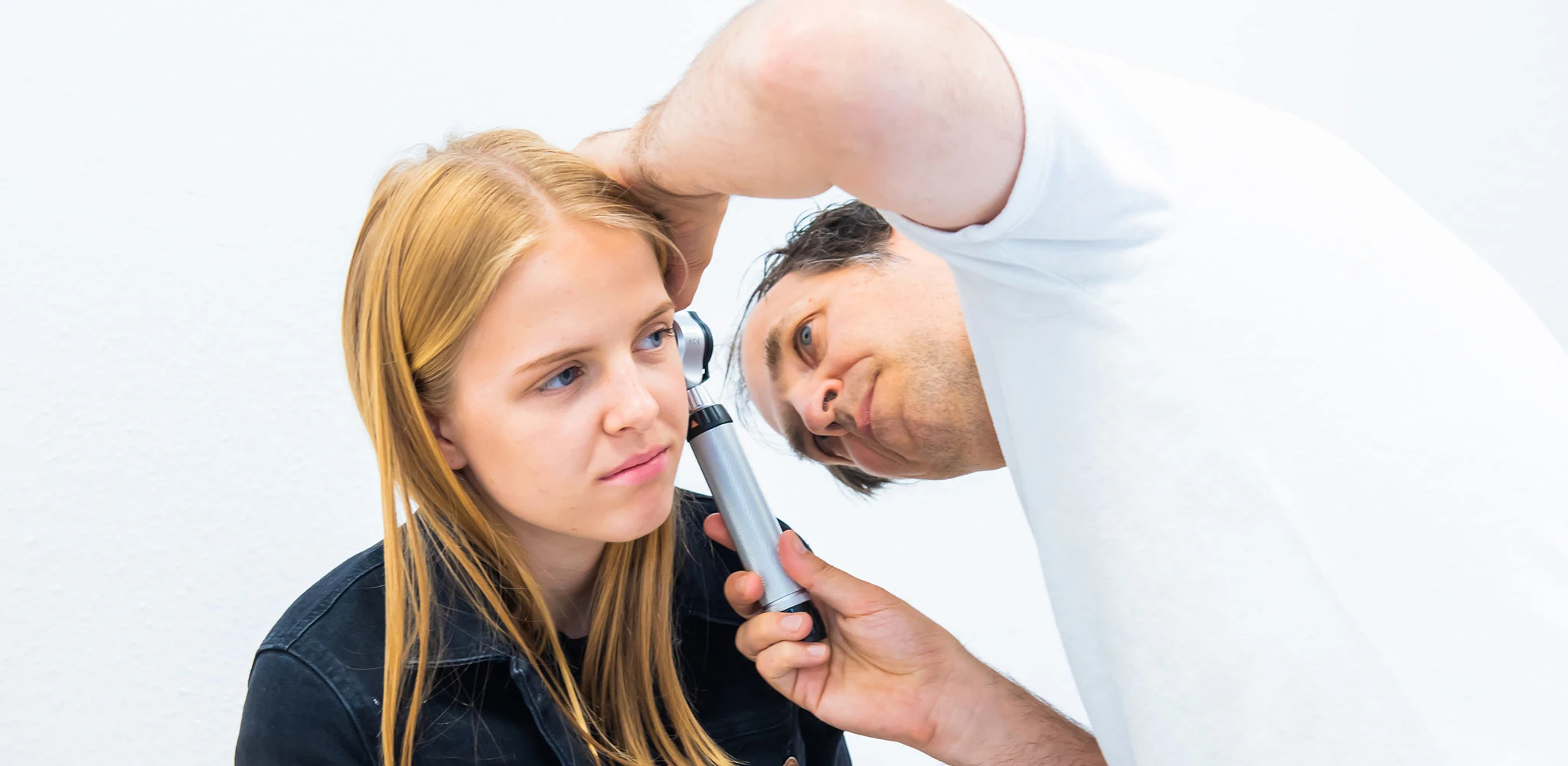
Ich will Sie gar nicht lange auf die Folter spannen. Die Lösung ist so einfach wie beruhigend. Im Nacken und am Hinterkopf verlaufen viele Lymphbahnen. Und gerade bei kleinen Kindern bis zum Schulalter oder sogar bis zur weiterführenden Schule kann es ganz schnell passieren, dass ein Lymphknoten anschwillt und dick wird und gut tastbar ist.
Keine Sorge: Das Ganze ist fast immer relativ harmlos. Es gibt die Regel: Oberhalb des Schlüsselbeins sind Lymphknoten-Vergrößerungen bei Kindern unbedenklich. Wichtig ist, dass es dem Kind gut geht, dass es nicht ständig Fieber bekommt oder Gewichtsverlust hat oder geschwächt wirkt. Denn wenn es ihm gut geht, dann ist so ein angeschwollener Lymphknoten absolut kein Notfall und sollte bei Ihnen, liebe Eltern, auch nicht zu einer schlaflosen Nacht führen - aus lauter Sorge um die Gesundheit Ihres Kindes.
Ein befreundeter Kollege hat das mal treffend auf den Punkt gebracht: „Lymphknoten kommen schnell und gehen ganz langsam." Das heißt, schon bei einem leichten Infekt kann es schnell passieren, dass so ein Lymphknoten anschwillt - und dann ewig lange da ist, ohne dass das eine krankhafte Bedeutung hat.
Nichtsdestotrotz gilt wie immer: Wenn Sie sich unsicher sind, können Sie uns den Knoten gerne zeigen und wir besprechen das noch einmal genau. Mir ist nur wichtig, dass Sie sich keine Sorgen machen und denken, das sei ein Notfall, wenn Sie bei Ihrem ansonsten gesunden Kind irgendwo im Nacken oder am Hinterkopf einen kleinen Gnubbel entdecken.
Weitere interessante Tipps
Entscheiden
Der Doc hat bei Instagram das Video eines „Dadfluencers“ gesehen, der minutenlang versucht, sein 2-jähriges Kind dazu zu bewegen, dem Wechseln seiner Windel zuzustimmen. Ein guter Anstoß sich dem Thema „(Mit-)Entscheiden“ anzunehmen.
Co-Regulation
Diesmal gibt es einen Kombi-Tipp: Zum einen ist es eine Empfehlung für eine Webseite mit Beiträgen zu den verschiedensten Eltern- und Entwicklungsthemen. Und zum anderen ist es ein konkreter Lese-Tipp zum Thema Co-Regulation.
Knick-Senk-Fuß
Heute ein Thema, das man unter „unnötige Praxisbesuche vermeiden" einordnen kann, ein wahrer Klassiker: der kindliche Fuß bzw. die kindliche Fußstellung.