
How serious are dark circles in children?
The question of whether dark circles under the eyes in children are dangerous or a sign of a serious illness pops up again and again in everyday practice. First of all, it's understandable where the idea comes from - but basically it's just a myth.
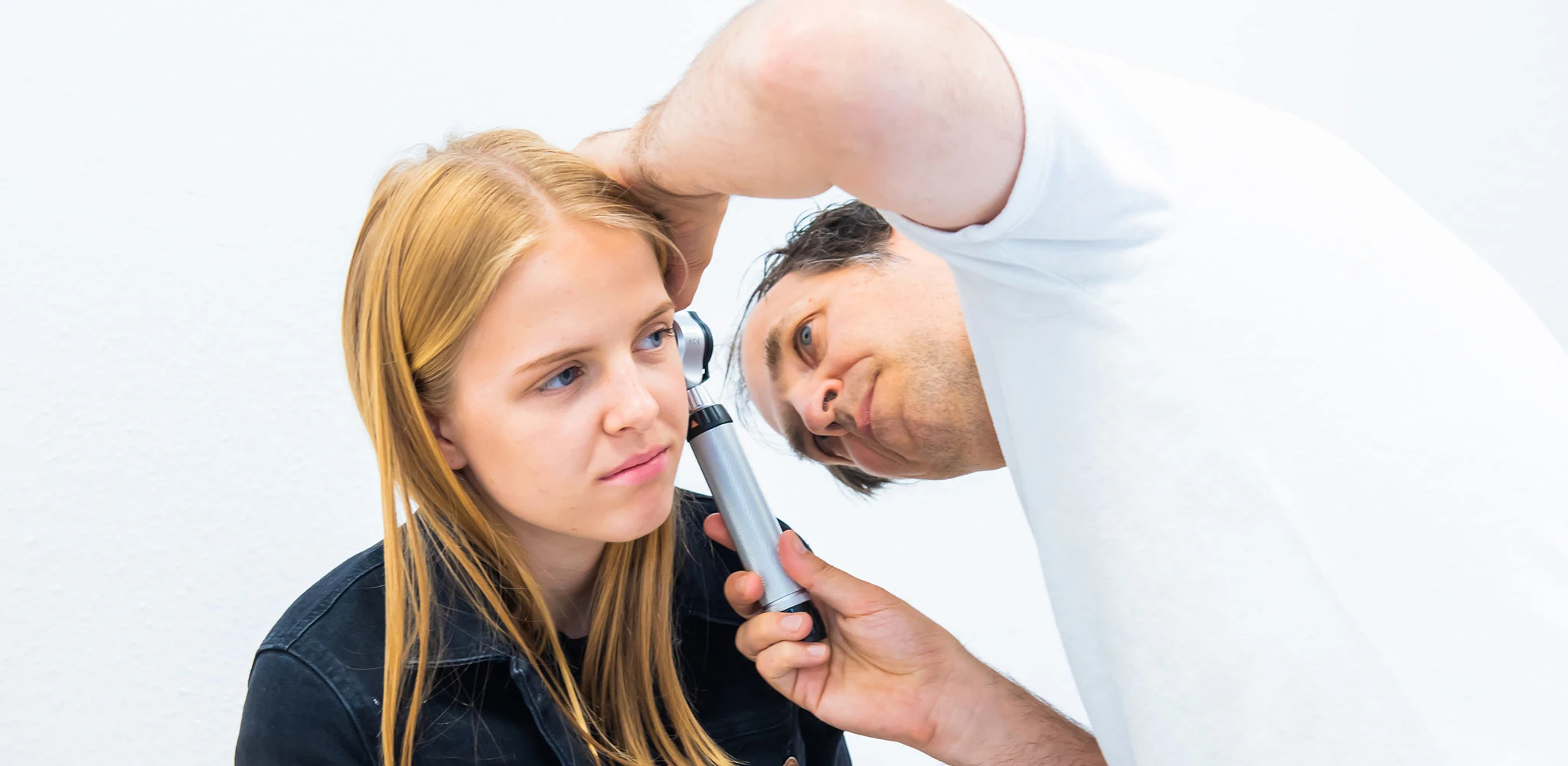
Parents whose children have dark circles under their eyes are often very worried that this could be a serious sign of illness. In general, however, if the child has dark circles, even severe dark circles, but is otherwise fit and healthy, then there is nothing behind it.
It is easy to explain how dark circles appear: In some children, the skin under the eyes is simply a little thinner and more translucent, so that blood vessels underneath are more visible. This can also be exacerbated by a cold, for example. But if your child is otherwise fit and healthy, you need not worry.
Theoretically, there are links between dark circles and illnesses, but in practice these are irrelevant. A lack of fluids, for example, is something that increases dark circles, but: if a child has such a pronounced lack of fluids that it is reflected in dark circles, then they will one hundred per cent also have other symptoms that you will notice much sooner. It is also true that kidney disease can lead to dark circles under the eyes. However, if this were the case, the child would already have such severe kidney disease, perhaps already on dialysis, that many other symptoms would be noticeable first.
In short: If your child is fit and healthy and simply has more or less severe dark circles under the eyes from time to time, then this is no reason to worry and actually no reason to go to the paediatrician. However, as always, you are welcome to ask questions. :-)
Further interesting tips
U7 screening
This time our presentation of the U examinations is about the U7. And a big block is how far the child has already developed linguistically.
Buckling/lowering foot
Today a topic that can be categorised under "avoiding unnecessary visits to the practice", a true classic: the child's foot or the child's foot position.
Ingestion accidents (swallowing)
Today's topic is ingestion accidents in children. Ingestion... what? In other words: your child swallows something that was not meant to be swallowed. An exciting and highly complex topic. With lots of surprises.