
Ohrenschmerzen richtig einschätzen
Ohrenschmerzen sind einer der häufigsten Gründe, aus dem Eltern mit ihrem Kind in die Praxis kommen. Der Doc nennt mögliche Ursachen und Behandlungstipps.
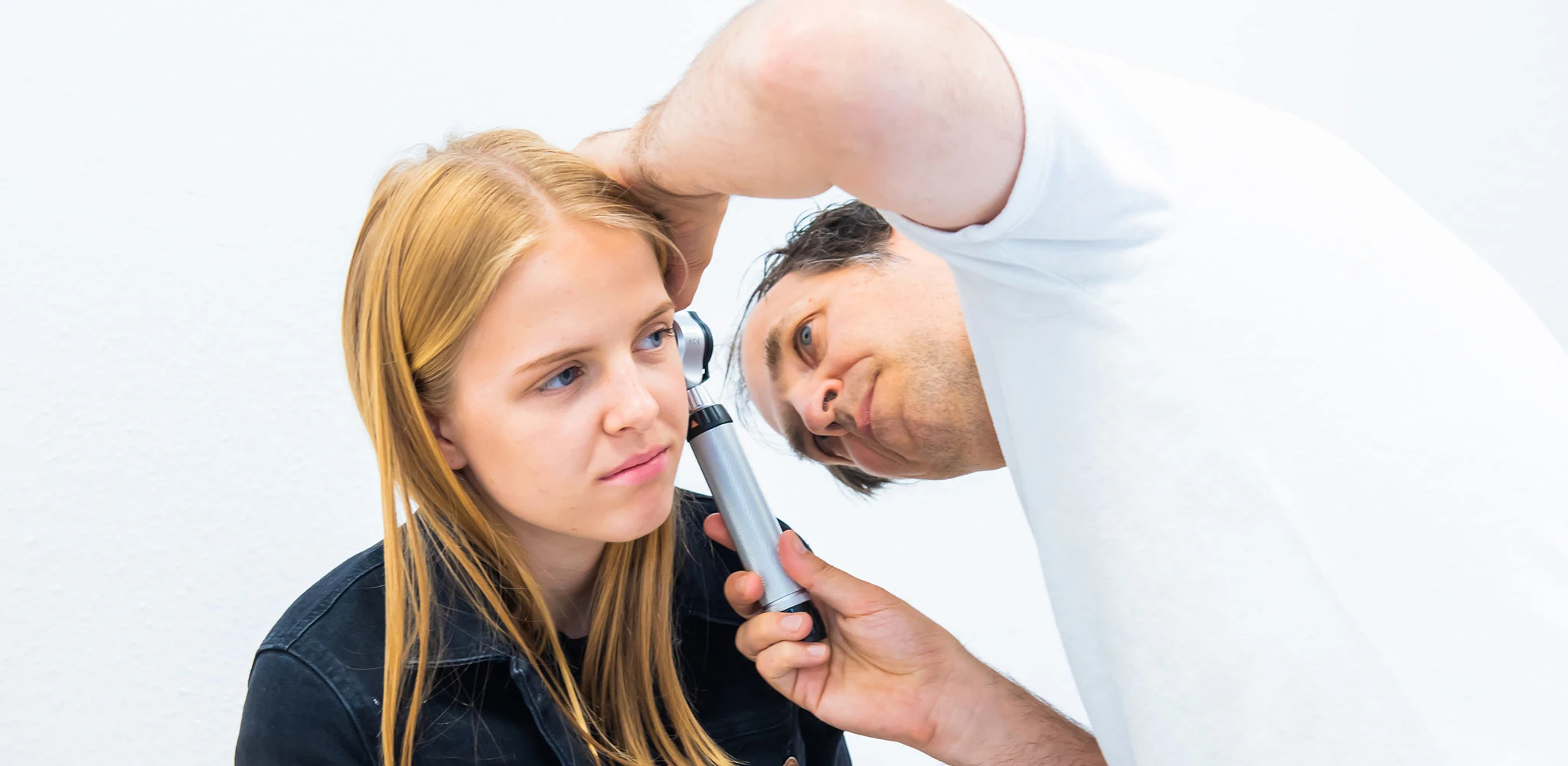
Der Grund für Ohrenschmerzen ist oft einfach, dass wegen einer Erkältung eine Belüftungsstörung des Ohres vorliegt. Dabei ist das Trommelfell nach innen gezogen, was Schmerzen verursacht. Die ersten Maßnahmen, die Sie jederzeit ergreifen können: abschwellende Nasentropfen geben und/oder einen Zwiebelwickel aufs Ohr packen. Außerdem kann ein Schmerzmittel gegeben werden, denn - das weiß jeder aus Erfahrung - Ohrenschmerzen tun sakrisch weh.
Wenn es dem Kind neben der Erkältungs-Symptomatik und den Ohrenschmerzen soweit gut geht, besteht kein Grund zu großer Sorge.
Anders verhält es sich, wenn es dem kleinen Patienten sehr schlecht geht, hohes Fieber auftritt oder wenn es zu einer Schwellung und Rötung hinter der Ohrmuschel kommt. Dann greift die Entzündung auf die sogenannten Mastoidzellen über - was dringend behandelt werden muss.
In allen anderen Fällen besteht bei Ohrenweh kein Grund zu großer Eile bei der Behandlung, sie heilen fast immer gut von alleine ab.
Wichtig ist außerdem: Ohrenschmerzen werden fast immer durch Viren ausgelöst, weshalb die Verabreichung von Antibiotika oft nicht sinnvoll ist. Selbst wenn eitrige Flüssigkeit aus dem Ohr läuft, ist nicht unbedingt eine antibiotische Behandlung notwendig. Ausnahme: Bei Kindern unter einem Jahr empfiehlt es sich, dieses Krankheitsbild genau anschauen zu lassen und ggf. zu behandeln.
Es gibt noch zwei weitere mögliche Gründe für Schmerzen im Ohr:
Eine Entzündung des Gehörgangs. Diese tritt häufig im Sommer auf und kommt durchs Baden. Feststellen kann man sie durch einen ärztlichen Blick ins Ohr.
Zu viel Ohrenschmalz. Es kommt gar nicht selten vor, dass sich im Ohr des Kindes so viel Ohrenschmalz ansammelt, dass es weh tut. Meist hat das Kind dann zusätzlich das Gefühl, schlecht zu hören. Auch dies erkennt man, indem man ins Ohr reinschaut. Das Gute: Durch eine Spülung mit einer Art Wasserspritzpistole ist das Problem ganz schnell behoben.
Weitere interessante Tipps
Hüftschnupfen
Heute aus der Reihe „Was es nicht alles gibt": der Hüftschnupfen. Kleiner, harmloser Auslöser, große Wirkung. Aber keine Sorge, das kriegen wir schnell in den Griff.
Pollenallergie
Der Frühling ist ja eigentlich traumhaft. Endlich wieder Sonne, die Temperaturen steigen, Schluss mit Grau in Grau, denn alles grünt und blüht. Und genau da ist es für manche schon wieder vorbei mit der Frühjahrsherrlichkeit: für alle, die unter einer Pollenallergie leiden.
Nesselsucht
Im Fachjargon sagt man Urtikaria, das gängige Wort ist Nesselsucht. Das passt, denn die Kinder sehen so aus, als wären sie in ein Brennnesselbeet gefallen.