
Was tun, wenn der Schädel brummt?
Heute ein Thema, das in der Kinderheilkunde sehr häufig mit Eltern besprochen werden muss. Und das zudem ein sehr, sehr komplexes Thema darstellt. Es geht um Kopfschmerzen bei Kindern. Keine Sorge: In den meisten Fällen muss Ihnen das Ganze kein Kopfzerbrechen bereiten.
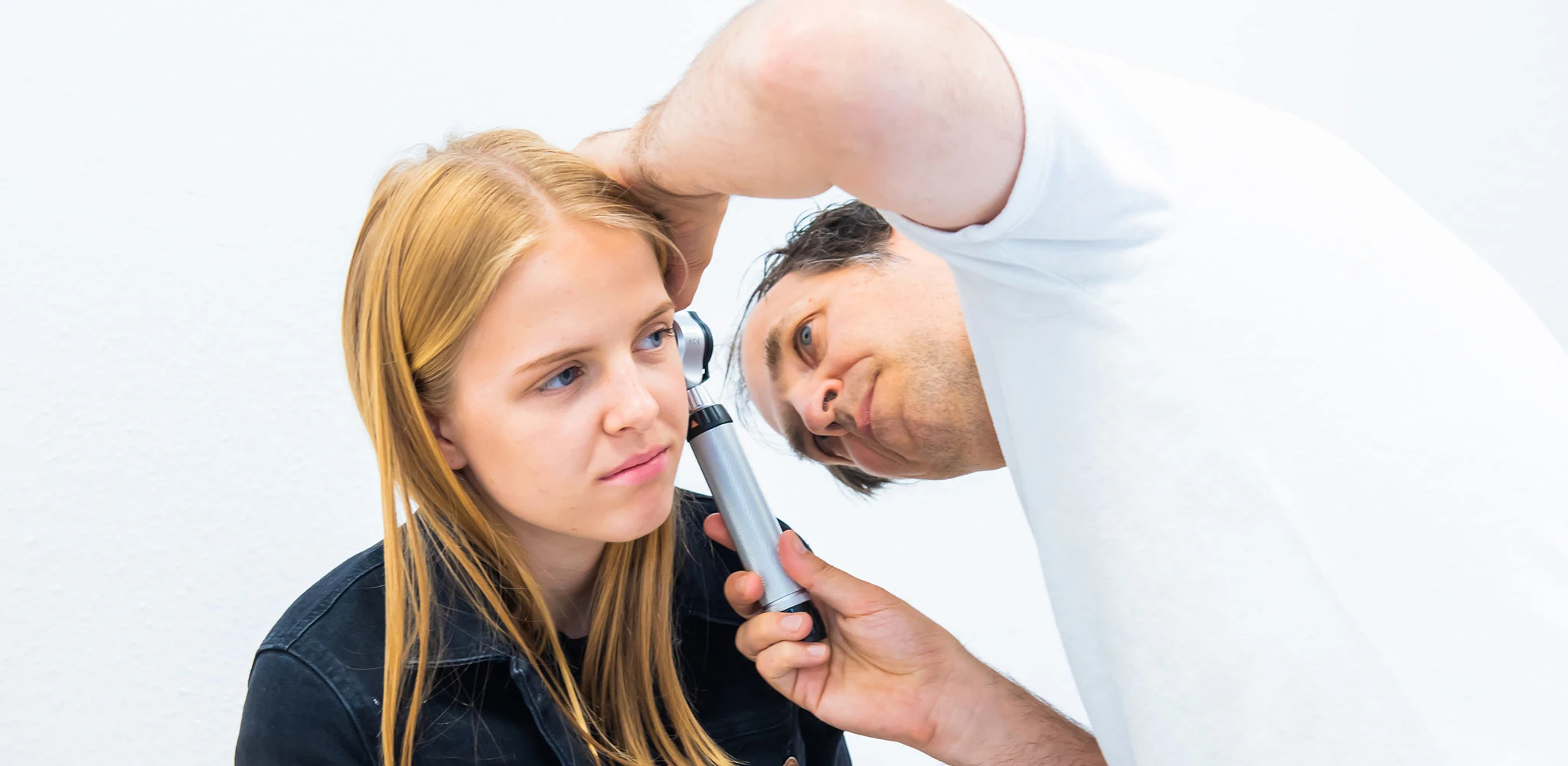
Die Sache mit den Kopfschmerzen, sie passiert leider relativ häufig. Man geht davon aus, dass bis zur weiterführenden Schule rund 90 Prozent aller Kinder Kopfschmerz-Episoden gehabt haben.
Zunächst sollten wir zwei Dinge unterscheiden:
Primäre Kopfschmerzen, das sind Kopfschmerzen, die keine organischen Ursachen haben. Diese kennen wir unter dem Namen Spannungskopfschmerzen oder Migräne-Kopfschmerzen. Wobei Letztere sich nicht groß von den Symptomen der Erwachsenen-Migräne-Kopfschmerzen unterscheiden.
Demgegenüber stehen sekundäre Kopfschmerzen. Also Kopfschmerzen, die eine organische Ursache haben. Zum Beispiel eine Entzündung der Stirnhöhlen - oder ganz, ganz wichtig bei Kindern: eine Sehstörung. Oder zumindest eine nachlassende Sehkraft, die oft dazu führen kann, dass es zu Kopfschmerzen kommt. Deshalb ist es bei Kindern elementar wichtig, bei Kopfschmerzen auch nach den Augen bzw. nach der Sehkraft zu schauen.
Zum Glück ganz, ganz selten sind schwere Grunderkrankungen, wie ein Hirntumor oder Hirnblutungen. Obgleich dies bei Eltern sehr gefürchtet ist und auch immer sehr schnell angesprochen wird, wenn es darum geht, was hinter den Kopfschmerzen stecken könnte.
Aber ab welchem Punkt müssen mich Kopfschmerzen meines Kindes so sehr sorgen, dass ich schnell danach schauen lassen muss? Ganz einfach immer dann, ...
... wenn das Kind richtig, richtig hoch fiebert und auch sonst schlecht beieinander ist.
... wenn das Kind wiederkehrend und viel erbricht und v. a., wenn es in der Nacht erbricht.
... wenn das Kind zusätzlich auffällige neurologische Symptome zeigt. Wenn es torkelig geht, verwaschen spricht oder auch sonst ein auffälliges Verhalten zeigt - und zusätzlich vermehrt Kopfschmerzen hat, dann sollte das Ganze rasch abgeklärt werden.
In allen anderen Fällen hat man eigentlich Zeit und sollte so genau wie möglich herausfinden, wann denn die Kopfschmerzen auftreten und wie lange sie andauern. Dabei hilft das Führen eines Kopfschmerztagebuches sehr gut.
Die Therapie besteht meist darin, dass die Kinder, sobald die Kopfschmerzen auftreten, die Aktivität herunterfahren. Sie brauchen Ruhe, weniger Licht, weniger Sonneneinstrahlung. Dann kann man versuchen, das Ganze mit einfachen Maßnahmen wie Pfefferminzöl auf die Schläfen in den Griff zu bekommen. Und gegebenenfalls auch mit Schmerzmitteln. In der Regel geschieht das bitte nach Absprache mit der Ärztin oder dem Arzt mit Ibuprofen oder Paracetamol. Ganz wichtig: kein Aspirin bei Kindern unter 15 Jahren!
Wenn diese einfachen Maßnahmen nicht ausreichen, braucht es ausführlichere therapeutische Sitzungen und zum Teil auch Kinderneurologen oder Kinder-Schmerztherapeuten.
Eine sehr gute Zusammenfassung zu Kinder-Kopfschmerzen finden Sie bei der Deutschen Gesellschaft für Migräne und Kopfschmerzen: https://www.kinderaerzte-im-netz.de/media/58b2db37b49d3811b100242d/source/wenn-kinder-kopfschmerzen-haben-incl-fragebogen-pdf..pdf
Weitere interessante Tipps
U6-Vorsorge
Die U6-Vorsorge ist die Lieblingsvorsorge vom Doc. Denn mit ihren 10 bis 12 Monaten sind die Kinder noch süß-babyputzig und noch nicht so groß, dass sie die ganze Untersuchung sprengen können durch einen brutalen Wutanfall (ja, das gibt es alles ...). Sprich: Meistens ist die U6 eine ganz angenehme Geschichte. Wie läuft sie ab?
Antibiotika
KopierenVeröffentlichenAntibiotika können tolle Medikamente sein, keine Frage. Doch ich behaupte: Sie werden noch immer viel zu oft und viel zu schnell verschrieben. Hier ein paar grundlegende Infos, damit Sie selbst ein Gespür dafür bekommen, wann es notwendig ist.
Zwänge
Wo beginnt zwanghaftes Verhalten - was sind ganz normale Rituale? Darüber hat der Doc mit Frank Köhnlein gesprochen, Facharzt für Kinder- und Jugendpsychiatrie und -psychotherapie. Hier die wichtigsten Punkte aus dem Gespräch.