
Warum nimmt das Baby die Hand in den Mund?
Wenn das Baby die Hand in den Mund nimmt, gibt es bei Eltern fast immer den einen Reflex: Da kommt bestimmt ein Zahn. Wenn ich von der Hand in den Mund leben wollte (natürlich nicht im ursprünglich gemeinten Sinne), dann hätte ich schon längst meine geniale Idee verwirklicht - und das sogenannte Dentiometer für die U4-Untersuchung erfunden.
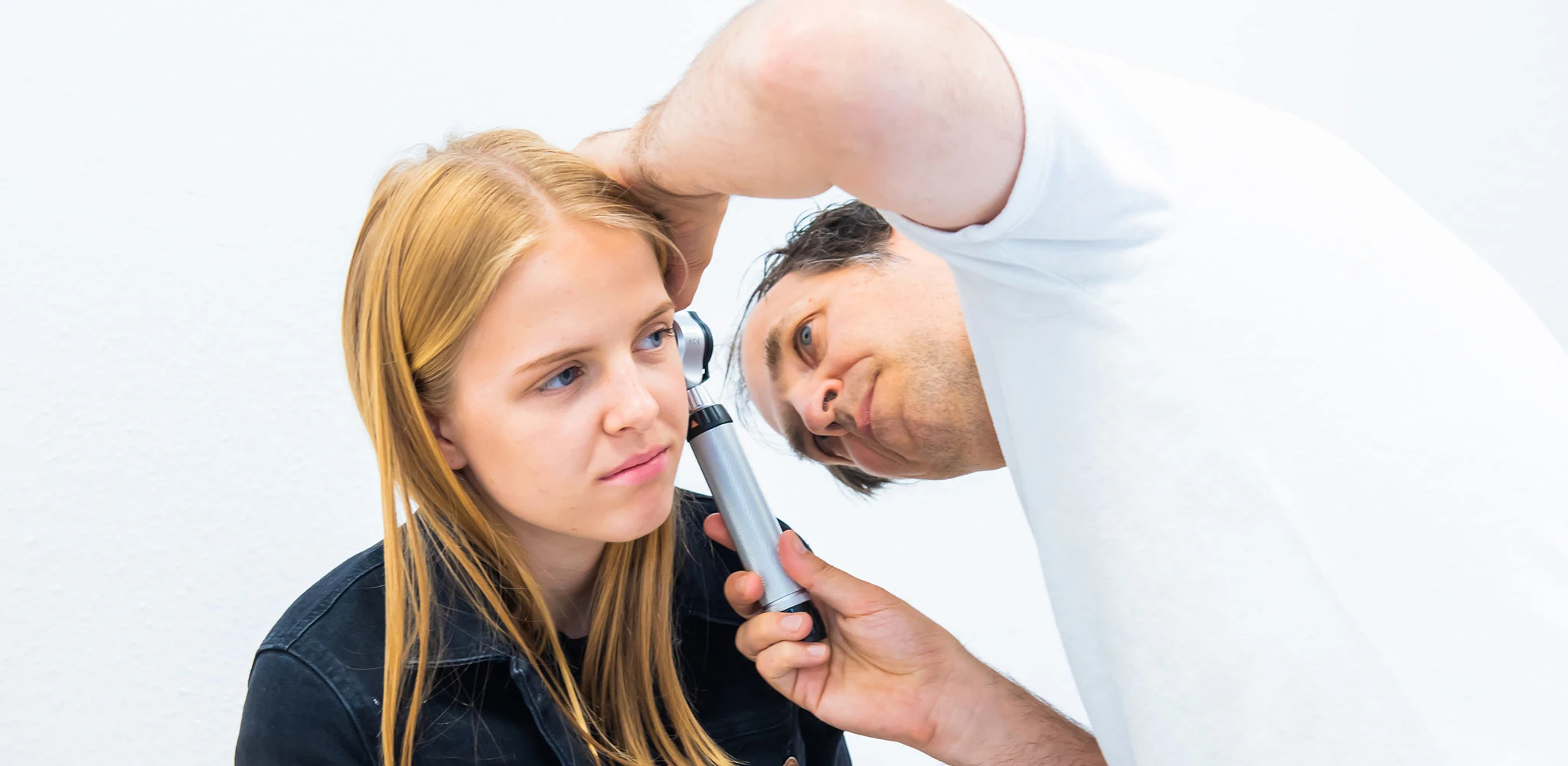
Mein Plan: Ein Gerät basteln, das einem Geigerzähler ähnelt. Und wenn die Kinder bei der U4, also mit drei, vier Monaten, zu mir kommen, dann fahre ich ihnen mit dem Gerät über den Mund, mache dabei ein komisches Geräusch und sage den Eltern: „Es dauert noch sechs, acht, vielleicht sogar zehn Wochen, bis an dieser Stelle ein Zahn durchbricht."
Wie ich drauf komme? Weil ich bei jeder U4 gefragt werde: „Glauben Sie nicht, dass da bald Zähnchen kommen, weil unser Baby gerade so viel die Hand in den Mund nimmt und es sabbert dabei auch so viel."
Jetzt ist es halt so, dass die meisten Babys ihren ersten Zahn erst im Alter von sechs bis acht Monaten bekommen. Und die Kinder nehmen mit vier Monaten nicht die Hand in den Mund, weil sie bald zahnen - sondern weil sie es können. In den Wochen davor kann das Kind seine Bewegungen noch gar nicht richtig koordinieren. Aber nach drei Monaten kapiert es:
a) Meine Hand
b) Mein Mund
c) Ich kann die Hand in den Mund nehmen.
Und genau deswegen machen sie es auch so viel und sabbern dementsprechend.
Aber es hat halt in den meisten Fällen nichts mit dem Zahnen zu tun. Und wenn sie mir das nicht glauben, dann führe ich vielleicht doch die Dentiometer-Untersuchung für 20 Euro pro Stunde ein und prognostiziere Eltern den ersten Zahn. Sie wissen schon: in sechs, acht oder zehn Wochen.
Weitere interessante Tipps
Kindermädchen-Ellbogen
Von wegen Halbgötter in Weiß. Die Arbeit von uns Kinderärzten ist sehr unspektakulär. Nur beim „Kindermädchen-Ellbogen" werden wir kurz zu Helden.
Werbeverbot für Süßes & Co.!?
In Großbritannien gibt es seit Januar 2026 ein Werbeverbot für extrem ungesunde Lebensmittel. Konkret dürfen Produkte mit deutlich zu viel Salz oder deutlich zu viel und zu dicht gepacktem Zucker vor 21 Uhr im Fernsehen nicht mehr beworben werden, online gar nicht mehr. Brauchen wir das in Deutschland auch?
Babys in den Bergen
Der Berg ruft? Dann nichts wie raus! Aber Vorsicht bei Babys und Kleinkindern in den ersten ein bis zwei Lebensjahren.