
The U7a examination: Is everything going well?
Our series of U examinations continues a little irregularly, because U7 is not followed by U8 - but by U7a.
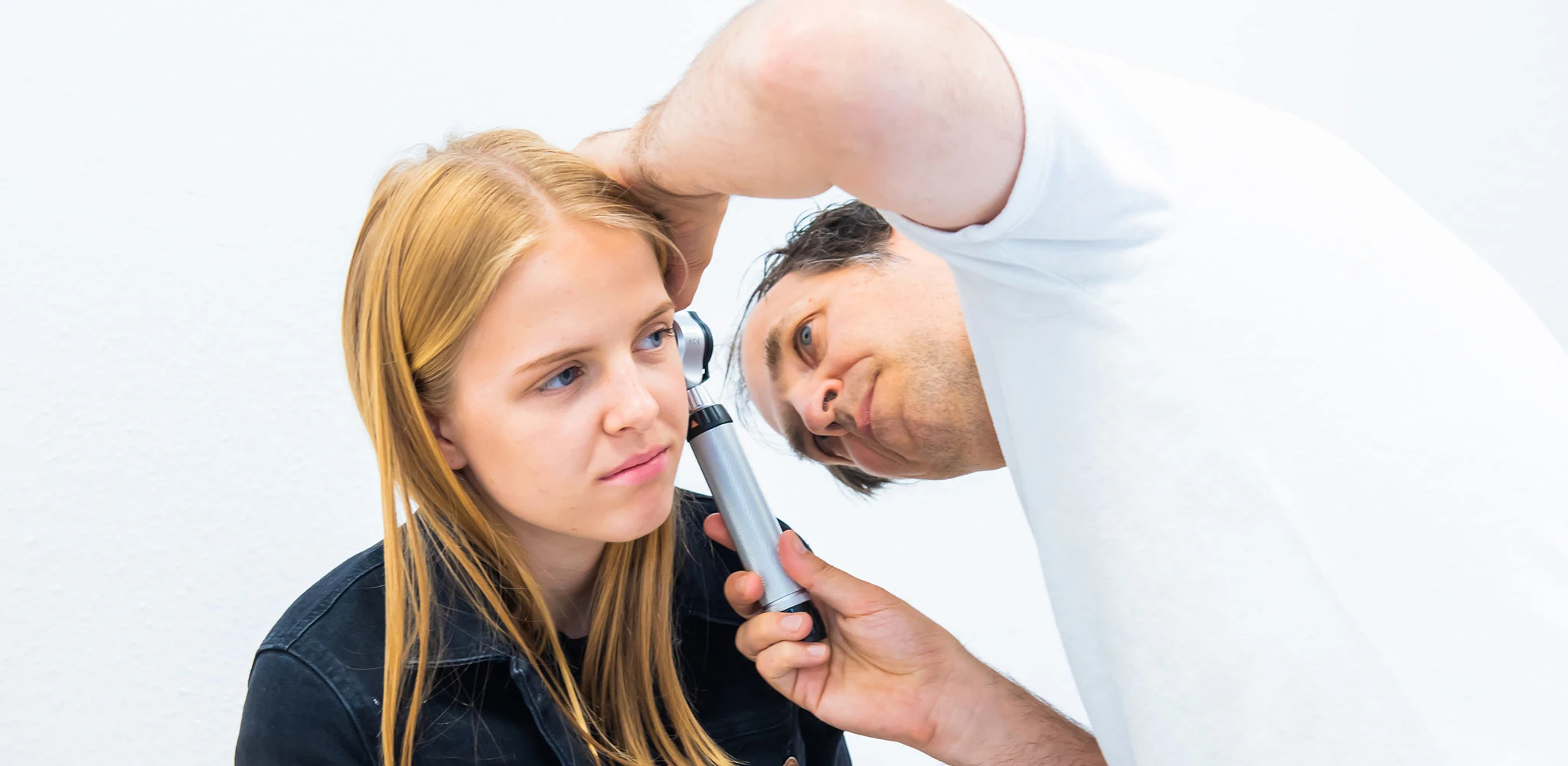
The children are around three years old at this screening. As always, it starts with weighing and measuring and asking the parents whether there is anything in the child's development that is bothering or worrying them.
Then we look at how the child moves. At this age, they should be able to walk really well and safely, be able to hop and also have some fine motor skills, such as threading wooden beads.
It's also about language: language comprehension should be tiptop by now and the children should ideally be able to speak three to four-word sentences and, above all, simply show development. For example, they should form plurals or past tenses. This can often still be wrong, many say things like "I drank" or "I went". Pronunciation may also still be unclear or incorrect: "Sule" instead of "Schule" or "Dinderdarden" instead of "Kindergarten" - that's all perfectly okay.
We then also ask the parents whether the first sequences are played with other children, whether role-playing games are played, which is always very important. The children should develop their first little independent skills if possible: dressing and undressing a little, eating with a spoon or fork, etc.
And we also discuss how things are going with dummies and feeding bottles, as this should be over by now at the latest. We also talk about dental care and check their immunisation status.
The children have usually been in kindergarten for a while at the U7a or are now starting kindergarten, and this is also often discussed.
Further interesting tips
Blood sampling
Today we are focussing on taking blood samples. This is not such an uncritical issue in the paediatric practice because very few children find it cool. So here are a few things to bear in mind.
Pseudo croup
An autumn classic in paediatrics: the pseudo-croup attack. This mainly occurs in the autumn/winter months and mainly affects small children.
U9 screening
Our series on the U examinations continues with the U9 - which is almost like a repeat of the U8.