
How to recognise pseudo croup
An autumn classic in paediatrics: the pseudo-croup attack. This mainly occurs in the autumn/winter months and mainly affects small children.
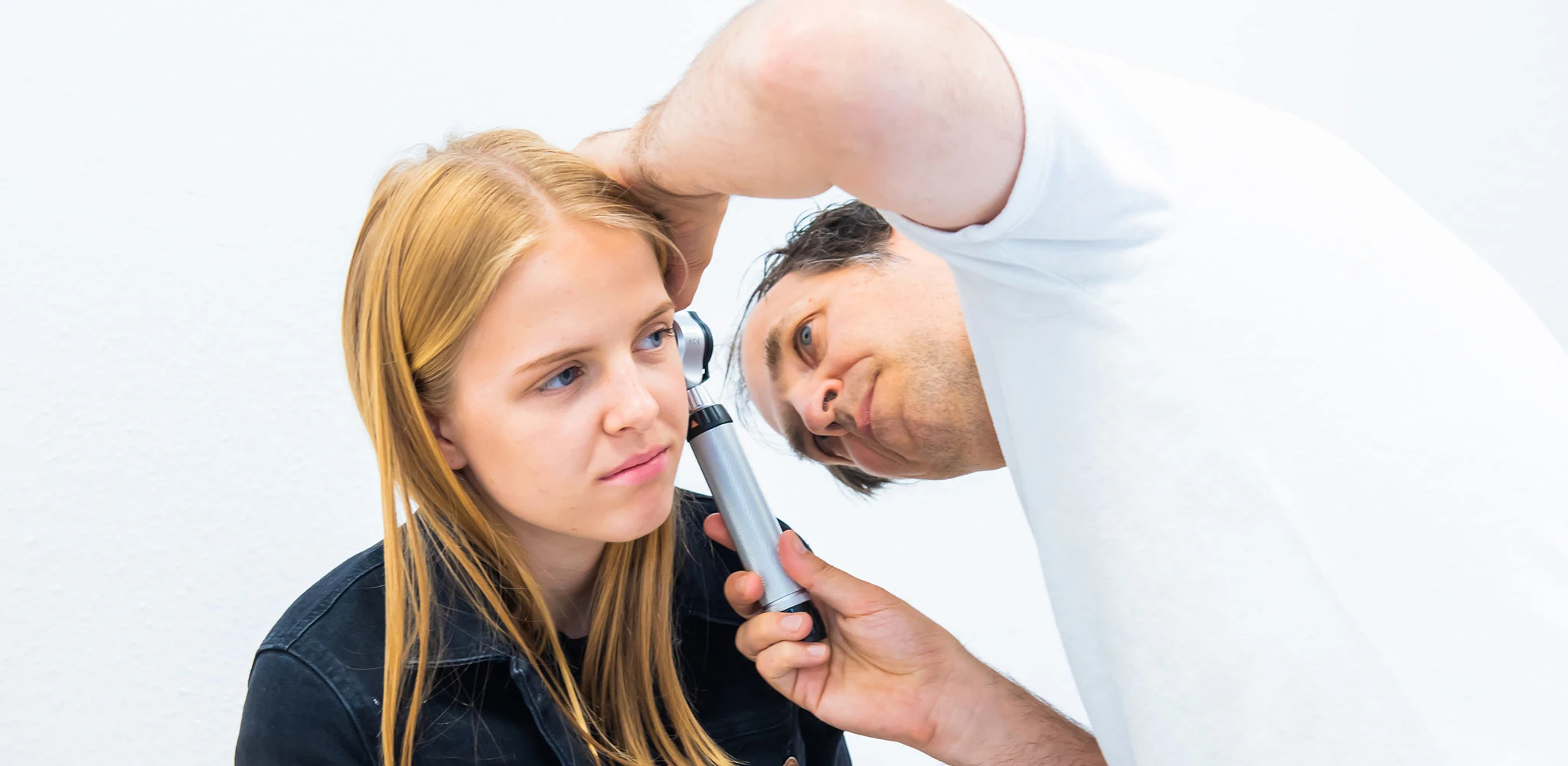
What is typical is that the children usually go to bed in good health and a barking cough occurs suddenly in the night or morning hours. It is characteristic that the children make a very typical breathing noise. This sounds extremely threatening, like desperately struggling for air, to put it bluntly, like a seal howling. Important: The child normally gets enough air. Severe cases with real respiratory distress are very rare. Nevertheless, children naturally get a little excited and nervous. Fortunately, however, this seizure is almost always relatively harmless.
The first, very important measure is to supply cool, moist air. This often calms the airways and improves breathing. And just as important - even if it's difficult: stay calm. Because the more hectic the environment is, the more hectic the child becomes. And a hectic child breathes faster, making their condition worse.
Parents whose children have often had these seizures are likely to have been given emergency medication by their paediatricians. A cortisone suppository or cortisone juice. Both provide rapid relief from the seizure. When the children are listened to the next day, there is usually nothing more to be heard. Often there is another mild seizure the following night, then the whole thing subsides and is completely over a few nights later at the latest.
Finally, two things to categorise:
I have never seen "real" croup, known as diphtheria, in 20 years of paediatrics. It has virtually died out thanks to immunisation.
And there is also laryngitis, which causes a similar cough. But this is accompanied by a really severe clinical picture, so it's easy to differentiate.
In the case of pseudo-croup, to summarise briefly: Keep calm, provide fresh air. And if it occurs for the first time and you are worried, take your child to the emergency department anyway.
Further interesting tips
Mongolian spot
Medically, our topic today is a very small, harmless one. But it does include a bit of cultural history - and even an excursion tip. It's about the so-called Mongolian spot.
U10/U11 screening
We are slowly approaching the home straight in our series on preventive medical check-ups. Here's the double pack for U10 and U11.
Dummy
When is my child too old for a dummy? All parents ask themselves this question sooner or later. There are many answers. But there is also a very simple way.