
What to do about the fear of the prick?
Today we are focussing on taking blood samples. This is not such an uncritical issue in the paediatric practice because very few children find it cool. So here are a few things to bear in mind.
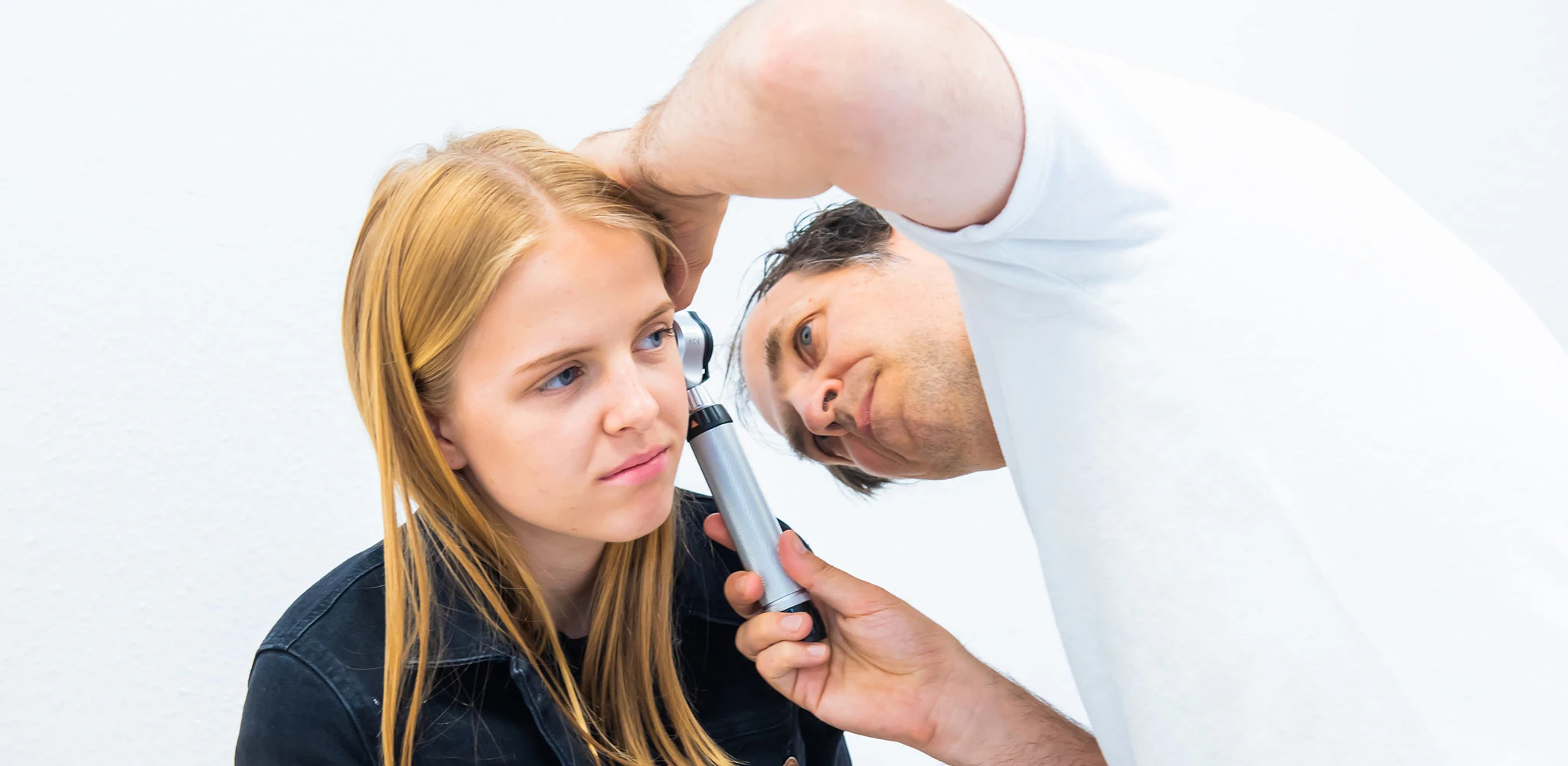
First and foremost: Always check with your doctor whether a blood sample is necessary. There is a nice saying: If you measure a lot, you measure a lot of rubbish. And this also applies to blood samples. So if you have a perfectly healthy, happy, cheerful child, then you don't just have to take blood from this child to see if there might be a small deficiency here and there. In other words, there must be a good reason for taking the child's blood and having it analysed.
Then it is very important how you as parents feel about this action. And it helps your child immensely if you are clear in your inner attitude, if you can endure and bear the suffering (and it is a little for the child). And if you know in advance that this is not necessarily your strong point, then it's better to send your partner - or even your grandpa or neighbour. It helps your child a lot if there is an adult sitting next to them who is just internally strong for this particular action.
It is also important if you already have a critical history with blood collection (for example, a faint): Have the confidence to share this. For example, let them know that we should definitely do it lying down. That helps us enormously.
And the last important point: we sometimes communicate a little sloppily, along the lines of: "It's not that bad", "It doesn't hurt that much", "It's not that bad", ... You should remain honest. The prick hurts and you have to tell the child this beforehand. To reduce the pain, there is also the option of applying an anaesthetic cream to the child's hand or the crook of the elbow to soften the pain of the prick a little.
That was the most important information about blood sampling in a nutshell. Of course, it's nice when the paediatrician is relatively accurate and reliable. We do our best - and we usually succeed.
Further interesting tips
Fennel tea
There is a lot of excitement in many online forums and social media channels at the moment. A popular household remedy for stomach ache and flatulence, but also for coughs, toothache and sleep disorders, is under suspicion: Fennel tea. And now all of a sudden it's supposed to be poisonous? Cause for panic or pure scaremongering? The doctor explains.
Advertising ban for sweets & co
In the UK, there has been a ban on advertising extremely unhealthy foods since January 2026. Specifically, products with significantly too much salt or significantly too much and too densely packed sugar may no longer be advertised on television before 9 p.m., and not at all online. Do we need the same in Germany?
Neonatal jaundice
Today we're talking about very, very small babies - and newborn jaundice. It's not usually serious - but you should still keep a close eye on it.