
Stop talking children sick
A topic that is very close to my heart - and is not a purely medical issue, but rather a social one: how do we deal with children who have characteristics that are not quite within the so-called "normality"? And what is "normality" anyway?
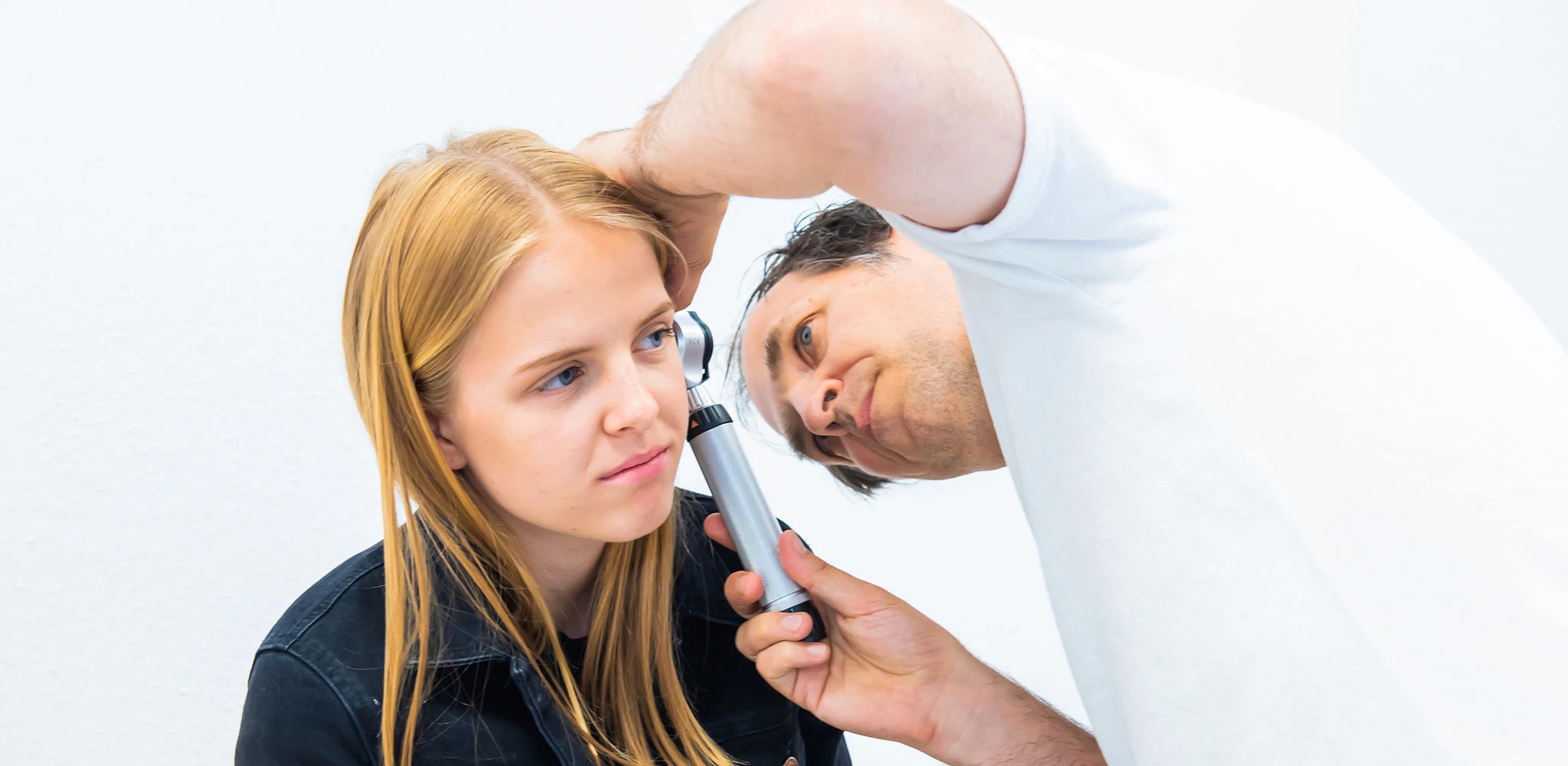
After 15 years as a doctor in private practice, I - and many other paediatricians - have noticed a trend that we don't like. As a society, we are increasingly quick to categorise things as pathological and in need of treatment. A striking example: children whose behaviour was still within the bounds of "normal" 40 years ago would no longer be so today. Because this framework is becoming ever narrower. And people are quicker and quicker to diagnose a social behaviour disorder, or ADHD, or autism or depressive traits ...
In my opinion, you have to be extremely careful not to overshoot the mark. Above all, it's very important to always look: How is this child doing? Is he or she doing well? Are they happy with themselves? Instead of looking at the child, people often just ask: Are we parents/teachers/educators stressed?
There is also a wonderful book on this topic by my paediatrician colleague Michael Hauch entitled "Childhood is not an illness". It deals with this topic very well.
There is one mistake we should not make: To tolerate behaviour less and less, to have more and more of a tendency towards the "middle of normality" and to ostracise and talk ill of children who are not actually ill.
Further interesting tips
Conjunctivitis
During the cold season, children often present to the practice with oily and reddened eyes. Conjunctivitis - the clinical picture is still often made more dramatic than it actually is.
Neonatal jaundice
Today we're talking about very, very small babies - and newborn jaundice. It's not usually serious - but you should still keep a close eye on it.
Bee and wasp sting (allergy)
A topic that is worth taking a closer look at because things are often mixed up: bee and wasp venom allergies.