
Package inserts - a blessing and a curse at the same time
It's a bit of a double-edged sword ... On the one hand, package leaflets are very important and helpful: for example, if you want to look up the dosage again or if there is anything you need to bear in mind, e.g. with regard to the time between meals.
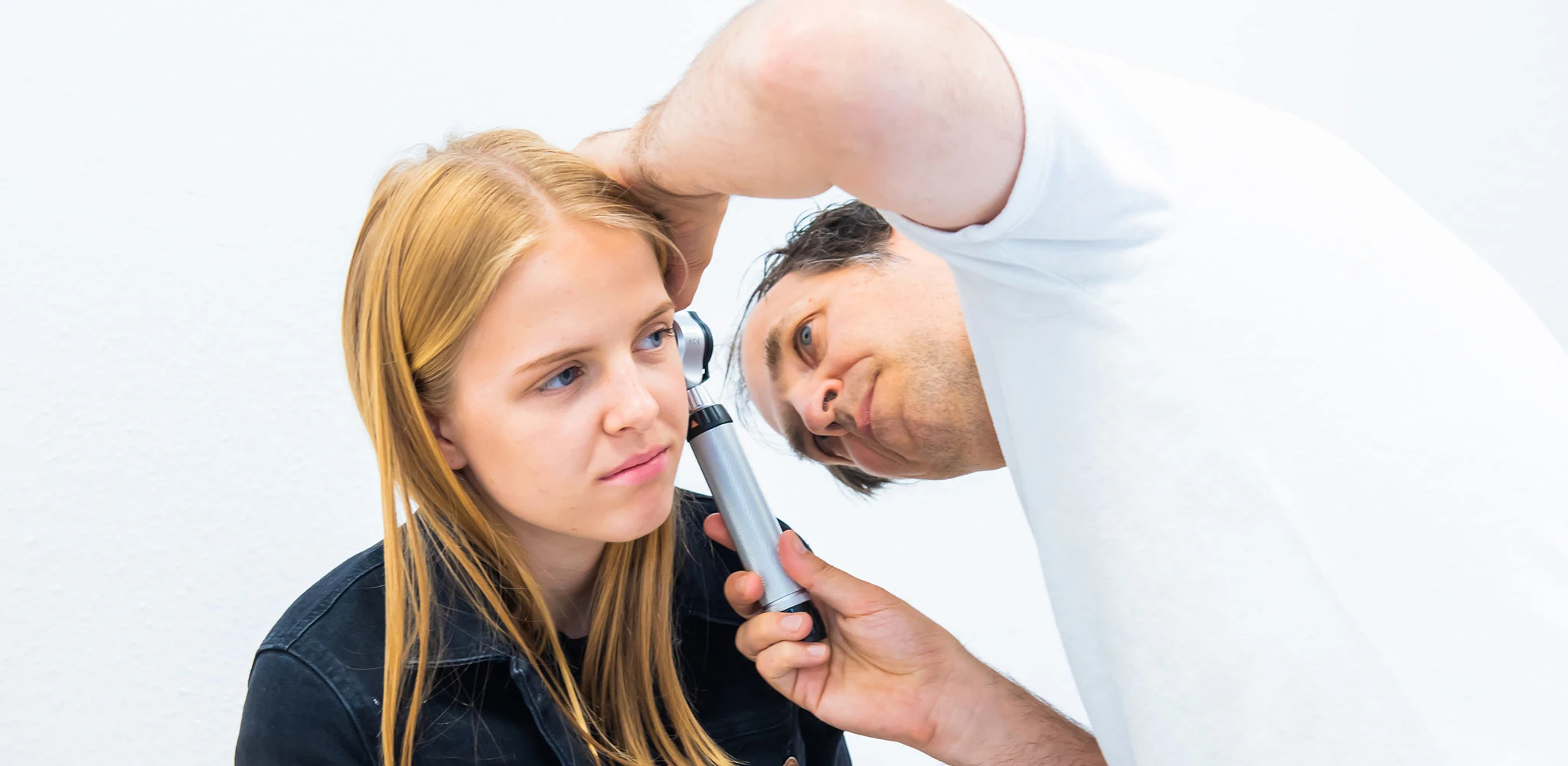
In principle, you can always ask us directly if something is not quite clear or has been forgotten. But sometimes we're off work or it's just quicker to look at the package leaflet.
However, it has to be said: package leaflets are not only a blessing, but can also be a curse - and we don't mean that it's a horror to fold them up again.
Unfortunately, it often happens that parents read things in the package leaflet that cause them great anxiety or worry. Sometimes this even leads to medication not being administered.
Two points in particular are very important here: Firstly, a package leaflet is primarily a legal document and not a medical one. This means that it contains things that are extremely unlikely - but cannot be ruled out with absolute certainty, so the manufacturers mention them for legal reasons.
Therefore, secondly, the request: If you are worried about side effects or intolerances, or if you want to know whether it can be taken while breastfeeding, or if you have any other questions, please consult us before simply not giving your child a prescribed medication.
You can rest assured that we know what we are prescribing for your children. We are also cautious and careful and do not prescribe unnecessary medication.
Further interesting tips
Night terror
It sounds like a character from a horror story and can actually be quite frightening. Fortunately, however, night terrors are a harmless phenomenon.
Worms
Something from the disgusting box again today. It's about worms. This is actually a very, very common story in small children - and often causes a lot of disgust in the children concerned and their families, even though the whole thing is a fairly harmless story from a medical point of view.
Lice
First things first: I know of almost no family with children, including my own, who have not had a visit from these little creatures. Head lice infestations have nothing to do with a lack of hygiene. Lice don't care whether they crawl on freshly washed hair or walk over an unkempt head - they take what they get.