
U becomes J - the J1 check-up
This is almost the end of our series on medical check-ups. We are looking at J1, the penultimate examination.
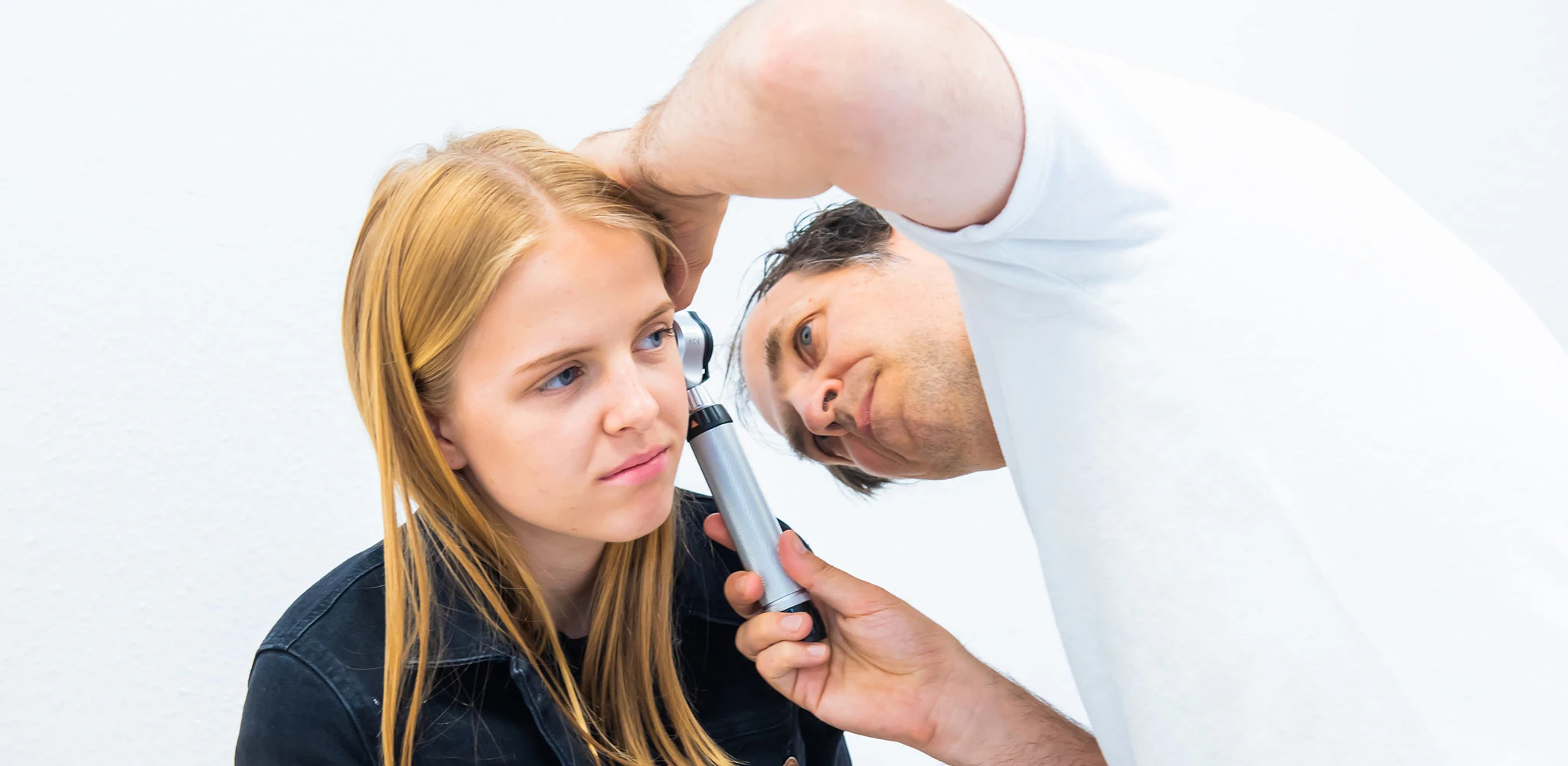
This adolescent check-up should take place between the ages of 12 and 15, we usually do it from 13. This is a very complex screening process. There are two questionnaires beforehand, one filled out by the young people themselves and the other by their parents.
The screening itself then starts with weighing, measuring, hearing test, eye test, blood pressure, a look at the immunisation record, everything as usual. In our practice, we then do one part with the young person alone and one part together with the parent present, if one is present, because sometimes the young people come alone, which is also perfectly fine.
So they are given a thorough physical examination, they are asked if they have any complaints and then, of course, a lot of psychosocial issues are discussed - how things are going at school, and mobile phone/computer/media use is always a big topic nowadays. The topic of sexuality can come up, sometimes it's also a lot about social interaction, depending on how well or less well the children feel they are doing in their class communities or sports communities. We also always offer to take a blood sample and check some basic values, e.g. thyroid, liver values, blood lipids.
So, all in all, it's quite a complex story and one that we highly recommend. So if your children are of an appropriate age, please remember that this is a very good, important preventive measure.
Further interesting tips
Dr Google
Today we have a difficult topic: public criticism of colleagues. But I have to admit that there is one colleague who is so annoying that I have to say something about it today.
U7 screening
This time our presentation of the U examinations is about the U7. And a big block is how far the child has already developed linguistically.
Gaming Disorder
From our series "Things that didn't exist 20 years ago" we present today: "Gaming disorder." As the name suggests, it's all about playing games (on mobile phones/tablets). Parents should be on their guard - but also think about their role as role models.