
Watch out - this will get to you!
Renal pelvic inflammatory disease, also known as upper urinary tract infection, is a condition that is not at all uncommon in babies and small children - and it is important to know something about it.
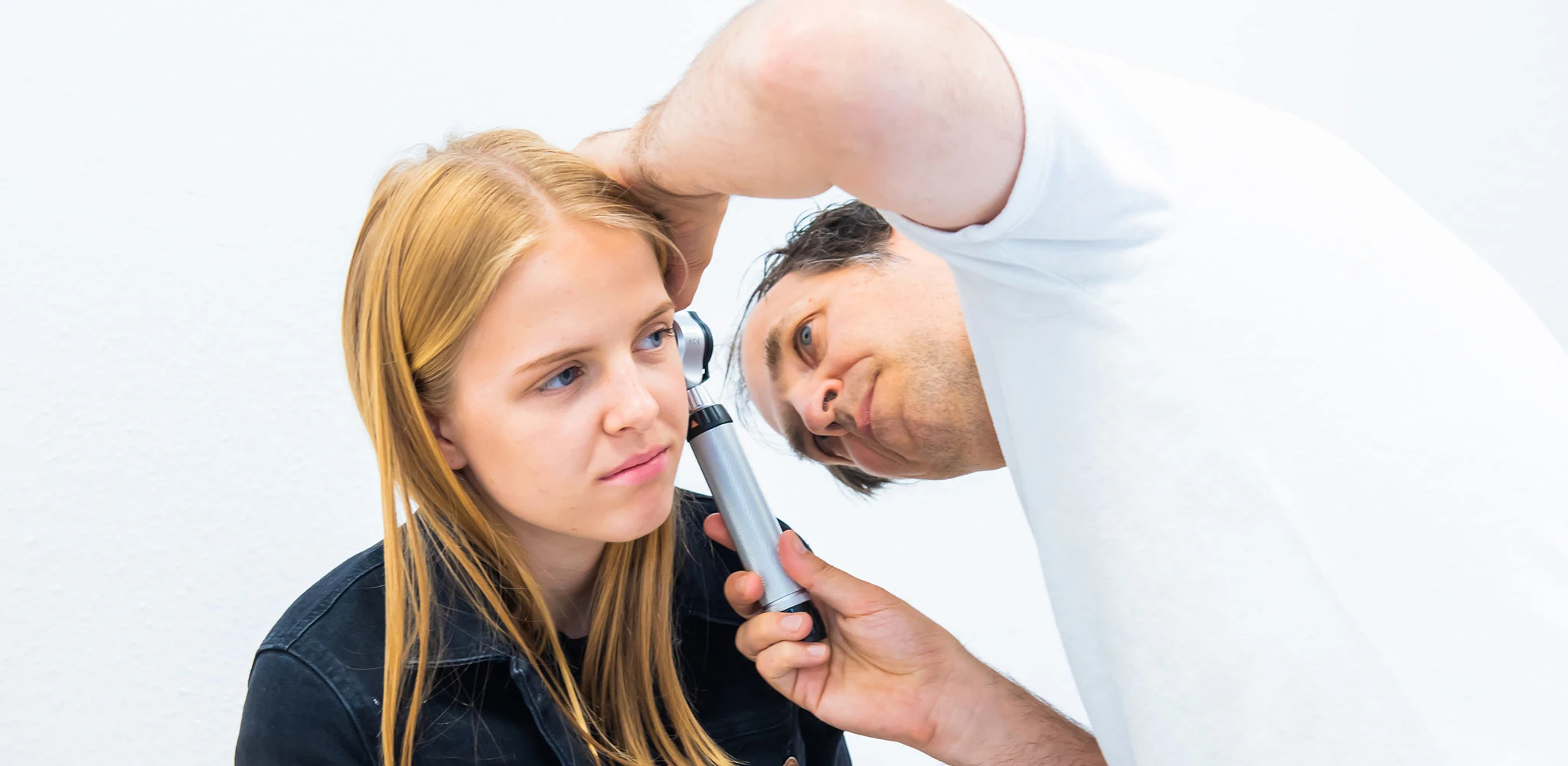
Why? Because it is a disease that should be recognised early - and then treated consistently. Pyelonephritis is one of the few diseases in paediatrics that always requires antibiotic treatment to prevent secondary damage (in this case to the kidneys).
And how do you recognise pyelonephritis? Normally, children run a really high temperature and show clear symptoms of illness. They drink poorly, are less active, less alert, ... ... so that you quickly come to the conclusion that the child needs to be seen by a paediatrician.
If the doctor finds nothing when examining the ears, throat or lungs, it is very important to also examine the urine. And the diagnosis can usually be made on the basis of the urine findings. Antibiotic treatment is then given consistently and it is then interesting to see whether it was a one-off or whether a small child tends to get it more often. In the latter case, it may unfortunately also be due to the fact that some children have congenital malformations in the urinary drainage system.
Let's be clear: if a toddler or baby has an unclear fever, you should always have their urine tested. And if a child has ever had pyelonephritis, then the urine should be checked meticulously over the next year or two as soon as the child seems unwell. And if there are any indications of urinary drainage problems, then this is something that needs to be discussed further with (specialised) doctors. This is because you then have to observe how the urinary outflow becomes blocked. In the worst case, surgery may be necessary.
And there is also the approach that children who very often get pyelonephritis are given a small dose of antibiotics every day as a prophylaxis to prevent new infections from occurring again and again.
Conclusion: In cases of illness, don't forget to have your urine checked.
Further interesting tips
Buckling/lowering foot
Today a topic that can be categorised under "avoiding unnecessary visits to the practice", a true classic: the child's foot or the child's foot position.
The task of the environment
"The task of the environment is not to mould the child, but to allow it to reveal itself." So what does that mean? It means that we parents often have to think and feel what makes our child tick.
Crawling
This will not be an excursion into the realm of insects, crawling is at least as big an issue for parents of small children. Two questions always take centre stage: When should a child crawl? And does a child have to crawl at all?