
The app to share the excitement
"You give me fever" - even the King sang about fever, so it's more than justified for us to dedicate ourselves to this topic for the second time. Because there is something cool and new.
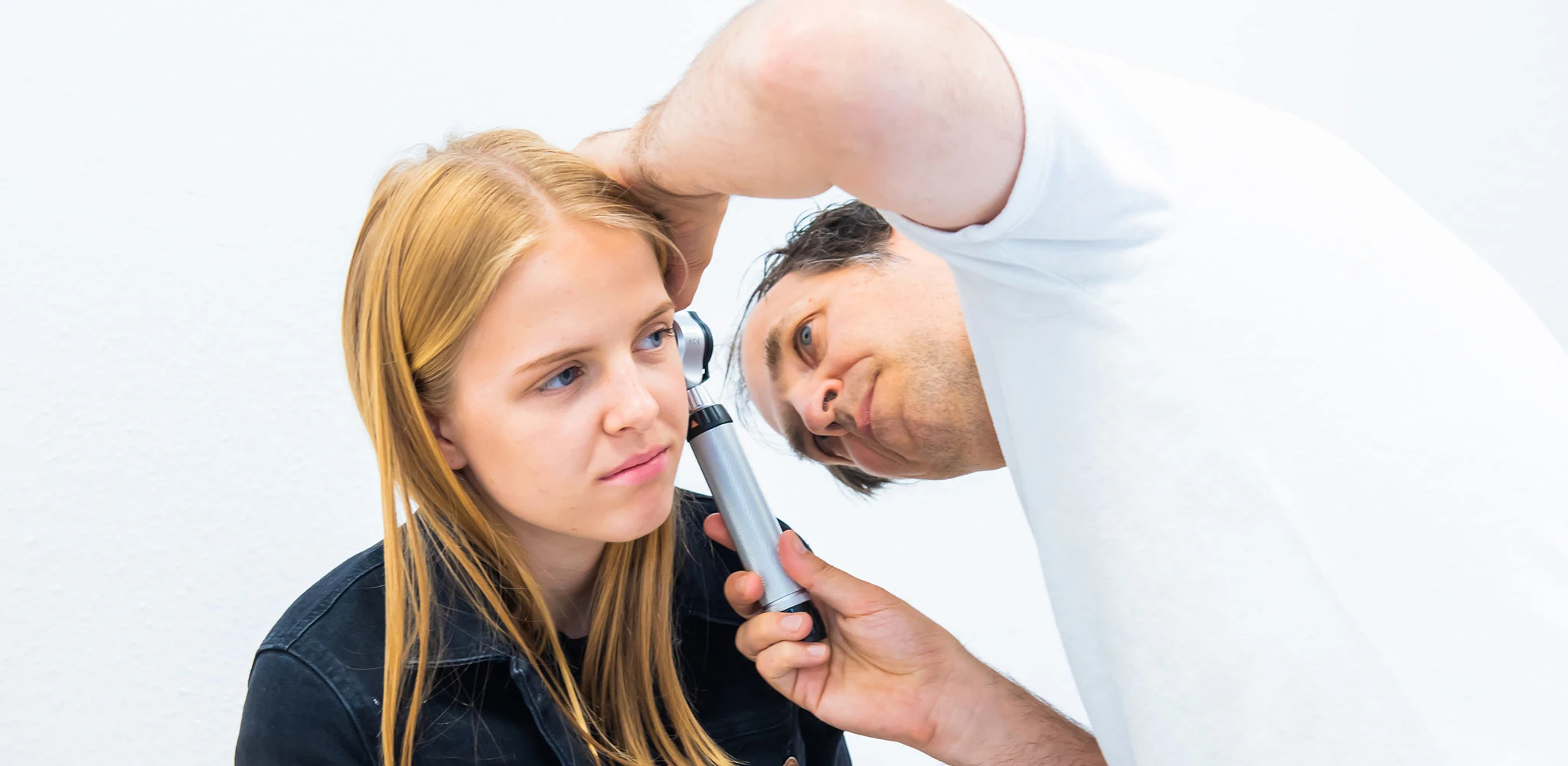
The University of Witten/Herdecke has developed a so-called Fever app. This is a trial designed to help parents, to coach them, so to speak. And in dealing with feverish children. It is still the case that fever triggers irrational fears in parents. Yet it is often not actually a bad thing at all. You can find a detailed video and PDF about this in our archive.
Back to the app: Our practice is taking part in this study. This means that if you are interested, you can read through the whole thing on the website www.feverapp.de. And if you then feel like taking part, you can request the necessary practice code from us in the practice (also by e-mail), take part in this study and improve your knowledge and handling of fever.
Here is all the important basic information about fever:
Above 38 degrees is called a fever. For me as a paediatrician, however, the level of fever is not really a relevant criterion for assessing a child.
The height of the fever says nothing about the severity of the illness. For example, 3-day fever is a very harmless viral infection in babies and toddlers and is often accompanied by a very high fever - although the children are usually still in good general health. Conversely, there are children who have no fever and are really seriously ill.
Fever is a natural reaction of the body to pathogens. Messenger substances of the immune system raise the "operating temperature", the metabolism is boosted (faster breathing, higher pulse, sweating).
Fever ensures that more antibodies are produced in the body and that the living environment becomes less favourable for viruses and bacteria. This is why reducing fever is not really useful. The healthy middle way: let the child have a fever, but if it is too bad, if it is in too much pain, give something if necessary, more as a painkiller than as a fever reducer. The standard medicines ibuprofen and paracetamol always reduce pain and fever.
You should see a doctor: If the general condition seems strange, if an infant has a fever in the first six months, if the fever lasts for more than three days, if the infant persistently refuses to drink, if consciousness is clouded.
Further interesting tips
Warts
They are small, disgusting, annoying - but medically completely harmless: warts, or more precisely plantar warts.
Truancy
A really difficult topic today - but one that has been taking up more and more space in paediatric practices in recent years. And that's why it's important to discuss it here: It's about truancy.
Diarrhoea
One of the most common clinical pictures in paediatrics is acute gastroenteritis, i.e. diarrhoea - often accompanied by vomiting and fever.