
Febrile seizure - harmless horror
Today we have a topic from the category "The Stephen King of paediatrics". In other words: sheer horror. It's about febrile seizures.
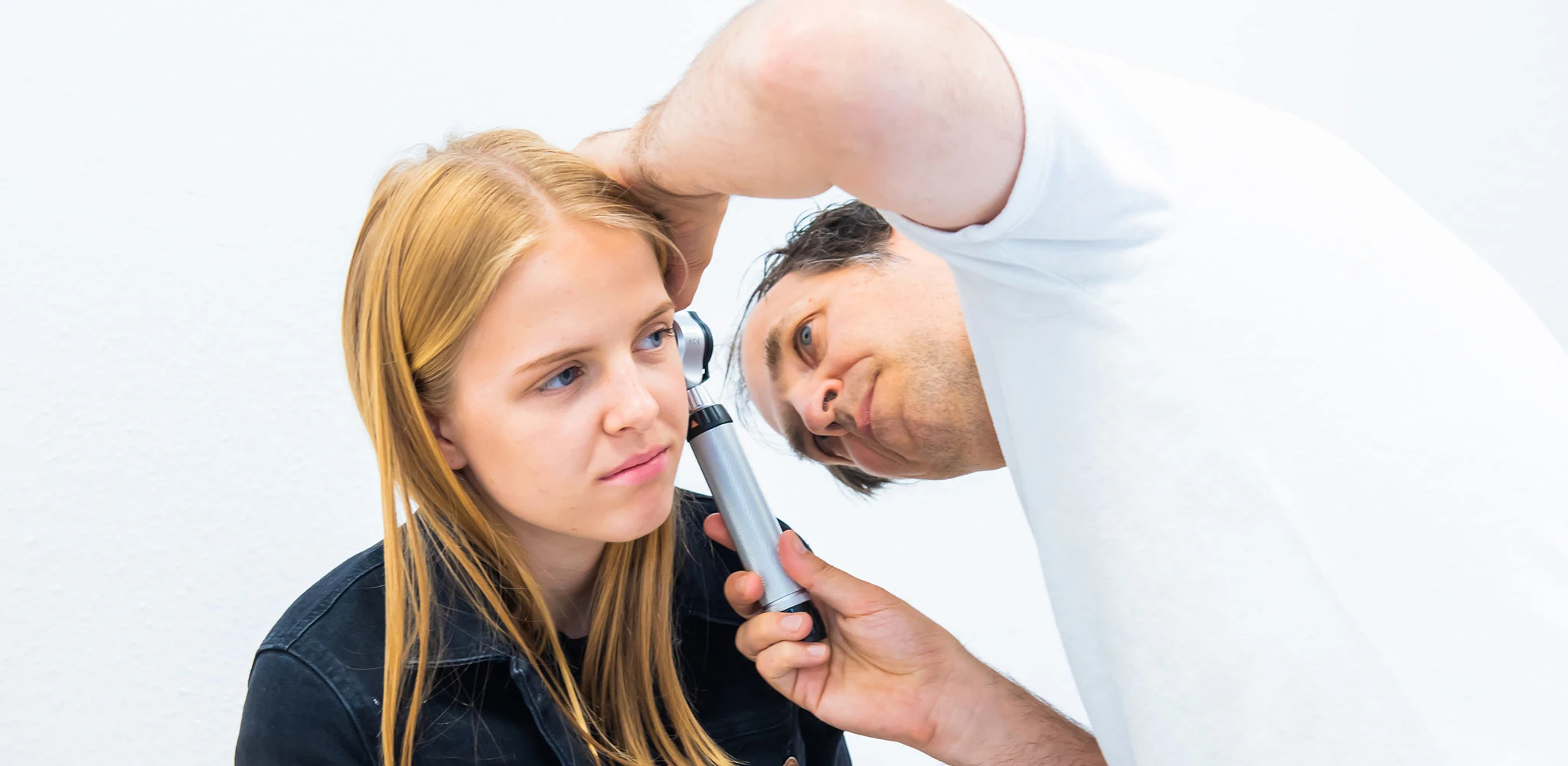
Most parents who have experienced their child's first febrile seizure say that it was the scariest thing they have ever experienced. They describe how it felt as if their child was about to die under their hands. And yet, from a medical point of view, a febrile convulsion is actually not such a scary thing.
Who actually gets febrile convulsions?
Usually children between the ages of one and five, but it can also occur in a six-month-old baby. But by primary school age, the spook is usually over. Children with febrile convulsions are normally developed and otherwise healthy. Febrile convulsions are due to a predisposition of the brain to react to fever with seizures at a certain stage of development.
What is typical of febrile convulsions is that the child is basically completely healthy beforehand and does not actually have a fever. A febrile seizure usually occurs during the first rapid rise in temperature. Out of nowhere, the child suddenly starts to convulse all over the body. It rolls its eyes, turns blue in the face, stops breathing briefly, ... It really is a scary event.
What can you do? Keep calm! Also see how long the cramp lasts, loosen the child's clothes so that it can breathe freely. Make sure that they don't hurt themselves anywhere. Do not give food or drink under any circumstances! Danger of suffocation!
The only good thing is that most febrile convulsions stop on their own after two to three minutes. Important for you: After the first febrile convulsion, the child must be seen by a doctor. Because not everything that convulses with a fever is a febrile convulsion. It can also be a convulsion caused by a serious infectious disease, for example meningitis or another underlying illness. For this reason, the child must always be examined after the first occurrence. Only once a definitive diagnosis of febrile convulsion has been made can parents deal with any further convulsions on their own. Supported by an emergency medication so that the cramp stops more quickly.
Unfortunately, there are no preventative measures.
Summary: There are febrile convulsions in children that look terrible but are usually completely harmless. Another piece of good news: Whether a child has one, three or five febrile convulsions in childhood is not decisive. The child is not harmed. And it is also not a marker that the child will later develop a seizure disorder, i.e. epilepsy.
Further interesting tips
Growing pains
Are you interested in winning a Nobel Prize for Medicine? Then we have a tip for you: try to find out why growing hurts even though it doesn't hurt. Sounds mysterious? It is a bit.
Eye screening
Today we are talking about a very important device in our practice: the eye screening device! We use this to check the eyes of small children from ten to twelve months of age. It is a far-sighted examination - because serious visual defects can be recognised and treated in good time.
Lies
Tears don't lie - at least that's what Michael Holm claims in his famous hit song. Children, on the other hand, do lie. Sometimes even like printed matter. This often causes parents a lot of stress, which is why we are taking a closer look at this topic. And also because it's honestly a topic where we parents always have to look at how big our own part in it is.