
Ringworm - actually harmless, but...
There are always phases in which rubella infections increase. In the vast majority of cases, this is not a major issue for the children affected - and yet the disease can be problematic.
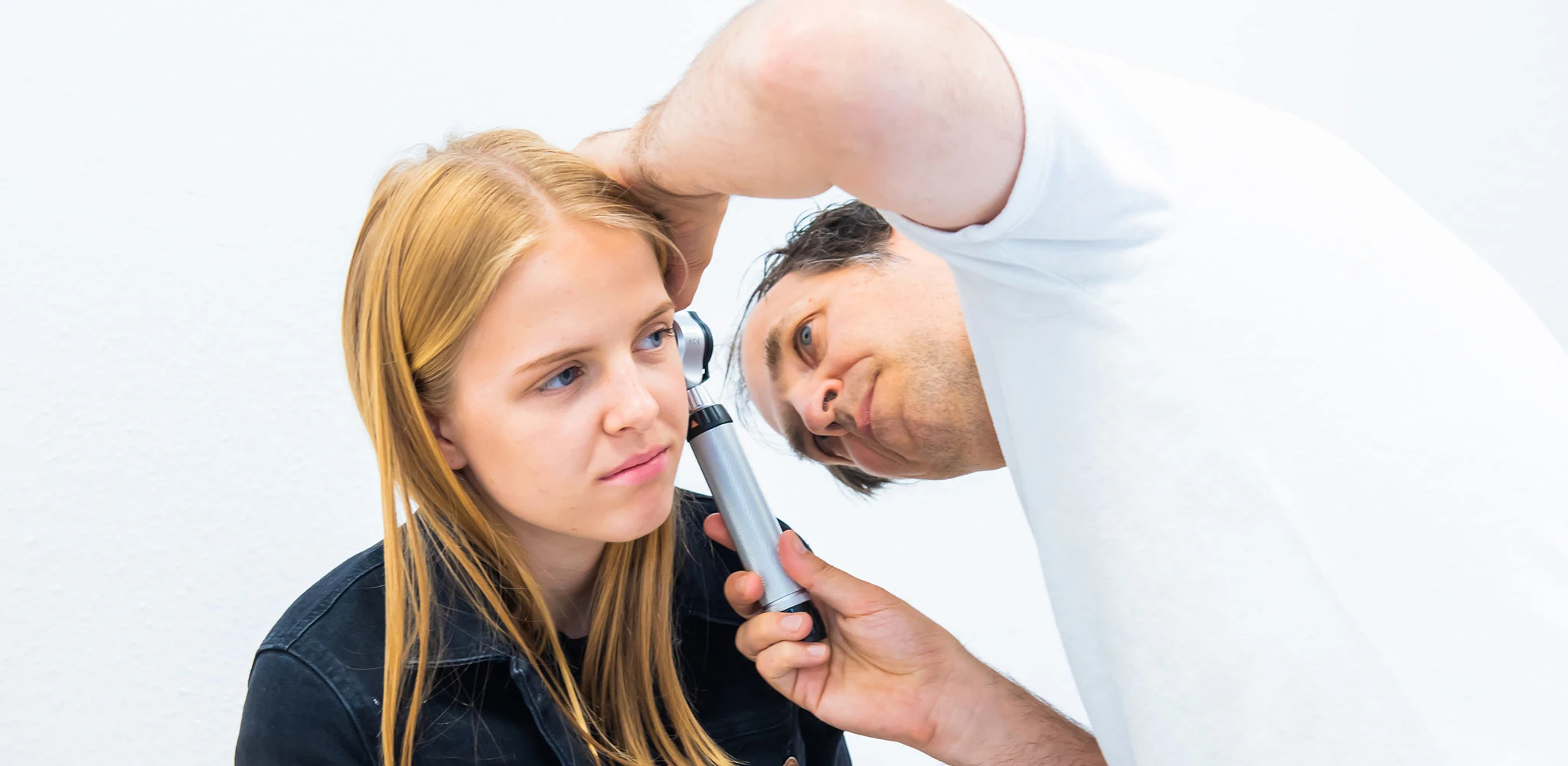
First of all, what is rubella? Basically a harmless infectious disease caused by parvovirus B19. What is tricky is that in around 80 per cent of all infected people, there are no symptoms at all or none that make you think of rubella. The disease is then inapparent - you can't see it. Around a fifth of those infected, especially children, develop a very typical rash that starts on the cheeks and runs down the upper arms and thighs - it is often said to run like a garland.
What you need to know now: When children get this rash, the infection phase is actually already over. They usually had mild flu-like symptoms a week before, then there is a short break - and only then does the rash appear. However, as the children are no longer contagious, they are allowed to go to a community centre if they are otherwise fit.
What is the problem with this disease? In rare cases, joint problems occur, mostly affecting adolescents and young adults. Anaemia can also occur in rare cases. If this is suspected, i.e. if the child is very weak and tired, the blood must be checked.
The reason why the topic is always on everyone's lips is that it is bad for pregnant women who have no antibody protection against ringworm if they become infected between around the eighth and 20th week of pregnancy. It is therefore important that women who know that they are pregnant and know that they have had contact with rubella should discuss this with their gynaecologist, determine the antibodies and possibly initiate treatment measures.
The problem with this is that it often remains a suspected diagnosis in children. This is because, to be sure, blood samples have to be taken and antibodies determined - and children are actually spared this. This is why it is a good idea for pregnant women to discuss the issue with their gynaecologist, even in suspected cases.
Further interesting tips
Reading - a real superpower!
Today is the nationwide Read Aloud Day. And I don't think I need to say too much more about the great importance of reading aloud. Reading is a real superpower for children. Hence the tip, the advice, the request: Take today as an opportunity to read something really nice to your child again.
Crawling
This will not be an excursion into the realm of insects, crawling is at least as big an issue for parents of small children. Two questions always take centre stage: When should a child crawl? And does a child have to crawl at all?
Undescended testicles
Easter is over, the eggs have hopefully all been found ... and that brings us to the topic of undescended testicles. It doesn't sound very spectacular, but it's an important topic in everyday practice.