
Can, but doesn't have to: U10 and U11 screening
We are slowly approaching the home straight in our series on preventive medical check-ups. Here's the double pack for U10 and U11.
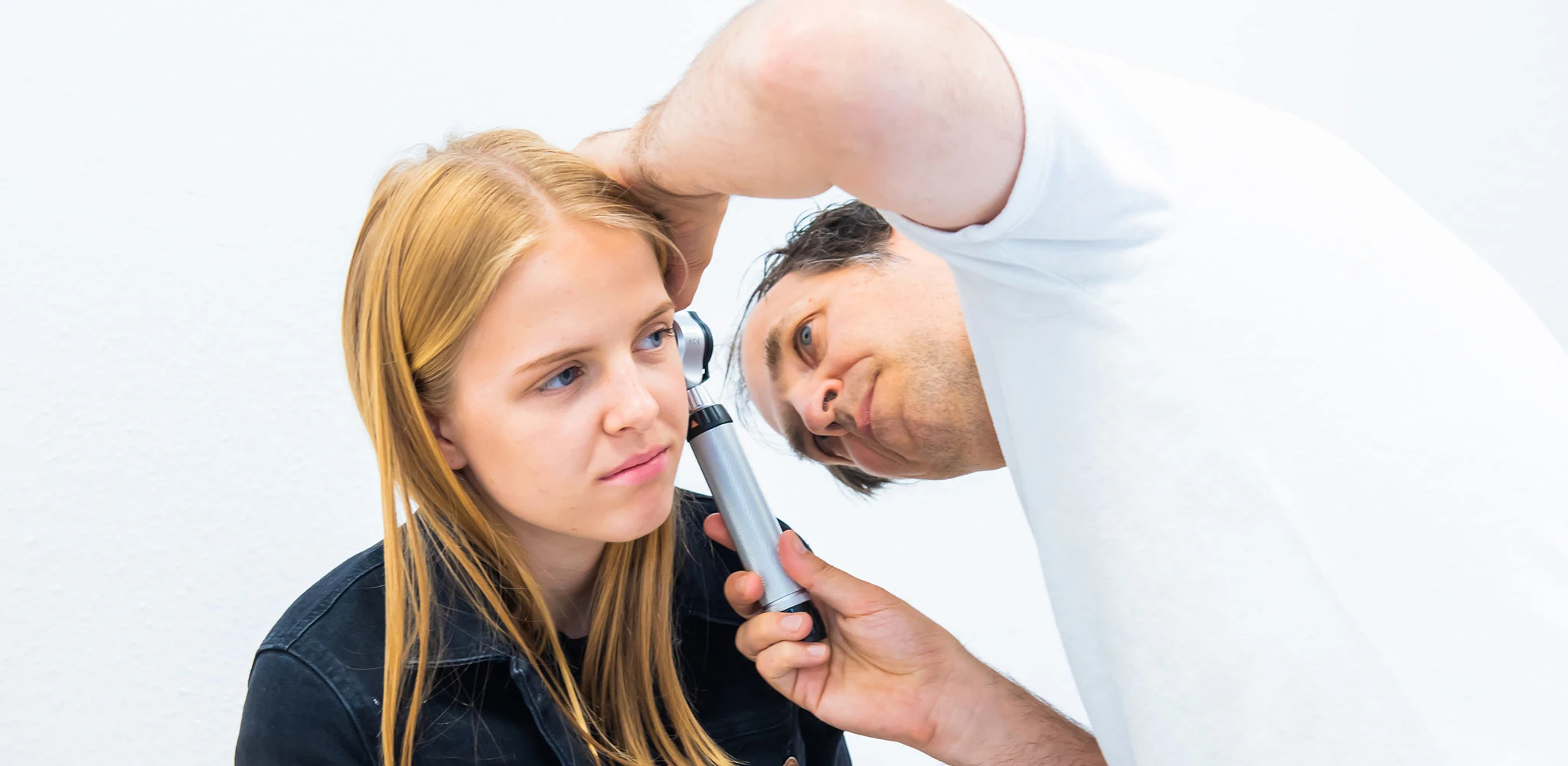
The U10 takes place between the seventh and ninth birthday, the U11 between the ninth and eleventh. One special feature of both screenings is that they are not yet part of the classic standard paediatric services and are therefore not yet easily covered by all health insurance companies. The vast majority of health insurance companies have some kind of financing model for these screenings, and very often parents have to enrol their child in a paediatrician/family doctor programme in order to have these screenings carried out.
What's more, in our practice, as in many others, we don't even know how we're going to fit in all the screenings and so the policy is to say: if the child is doing well, if the parents don't have any big questions or worries, then we're happy to do without the U10 and/or U11.
However, it is absolutely clear that if there are questions or concerns about the child's development, or if the parents simply have an urgent desire to have this check-up carried out on their child, then we will do it as a matter of course!
How do the examinations work? There is a very detailed questionnaire, as always the children are weighed and measured, their blood pressure is taken and their urine examined, and, if necessary, a hearing and/or eye test is also carried out. The immunisation record is checked, which is often important and correct at this age.
There is also plenty of room for questions from parents. The focus is often on topics relating to school: How well are things going? For example, are there any suspected concentration problems or problems with social behaviour? Nowadays, media consumption is also a frequent topic: how much contact do the children already have with mobile phones, computer games, etc.? There is quite a lot of counselling going on here. And then, of course, the children are given a thorough physical examination, as is always the case with screening.
A brief outlook at the end: The very, very important J1 adolescent check-up and the J2 at the very end follow in the screening series.
Further interesting tips
Tics
Today we are talking about tics - a topic that causes great anxiety among parents. So let's start with the good news: for most children, a tic disorder is only temporary. And in most cases, it resolves itself. Sometimes after weeks, sometimes after months - but it goes away again.
Foreskin inflammation
Once again an "unfair" topic, because it only affects boys. It's about balanitis or foreskin inflammation, a common condition in young boys and one that often makes parents extremely anxious. It is also often wrongly regarded as an emergency, although it is not usually such a dramatic story.
Neurodermatitis 2
Dry, itchy, sometimes inflamed skin - this can be neurodermatitis, but it doesn't have to be. Because as important as this condition is, it can also be complicated to recognise and treat. In the second part on this topic, we look at the aspects of treatment, care and prognosis.