
When the hip has a cold...
Today from the series "What's not there": the hip cold. Small, harmless trigger, big effect. But don't worry, we'll get it under control quickly.
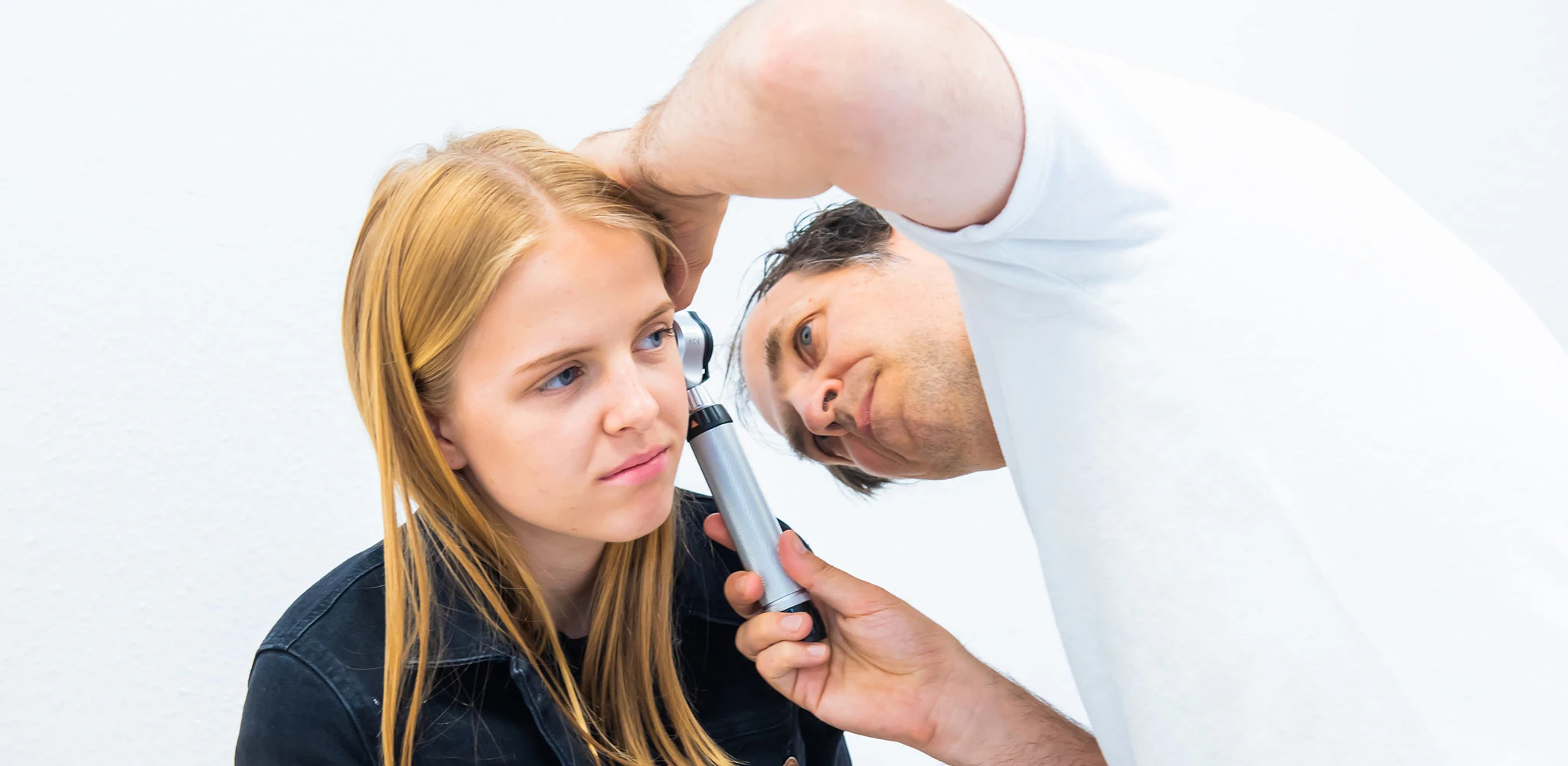
Let's start at the beginning: What is a hip cold? An inflammation of the mucous membrane in the hip joint that leads to the formation of an effusion and relatively sudden pain in the hip joint. This is often accompanied by pain that radiates into the leg - and sometimes also knee pain. In any case, the whole thing leads to the children limping or not being able to walk at all. Hip snapping is a condition that mainly occurs between the ages of three and ten.
Don't worry, such a hip cold is harmless. You usually get it after having another banal viral infection. The good thing is that an ultrasound scan is a wonderful, quick and reliable way of making a diagnosis.
And once the diagnosis has been made, there is a simple remedy: simply take it easy for a few days. Most children do this automatically. If they are in pain, you can give them something pain-relieving like ibuprofen. And we do a follow-up ultrasound a week to ten days later to make sure that the effusion has completely regressed.
In short, children who limp, who have pain when walking, should be seen by a doctor after one or two days. And don't worry - in the vast majority of cases it's a harmless hip cold.
Further interesting tips
Protein powder / shakes
Two classics from the youth consultation: "Mr Brügel, you absolutely have to explain to my mum that the energy powder is not a problem!" Or: "Mr Brügel, you must forbid my son to drink these protein shakes once and for all!". Who is right?
Worms
Something from the disgusting box again today. It's about worms. This is actually a very, very common story in small children - and often causes a lot of disgust in the children concerned and their families, even though the whole thing is a fairly harmless story from a medical point of view.
"Screen-free from three" campaign
Screen-free until three - Formatted textDocument A nationwide campaign has been launched in many German paediatric practices this week: "Screen-free until three". We are taking part - even at the risk of offending parents ...