
Stop talking children sick
A topic that is very close to my heart - and is not a purely medical issue, but rather a social one: how do we deal with children who have characteristics that are not quite within the so-called "normality"? And what is "normality" anyway?
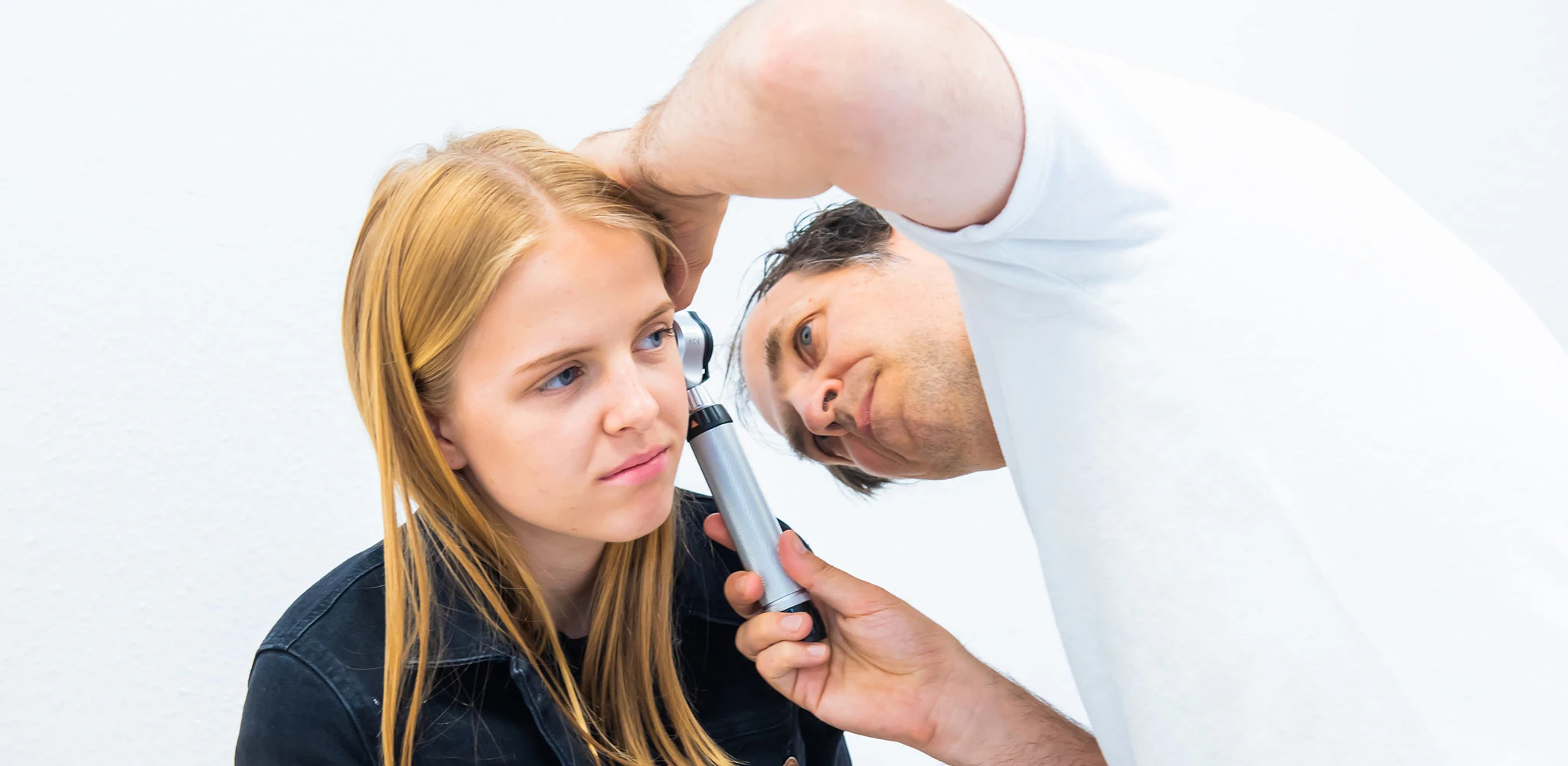
After 15 years as a doctor in private practice, I - and many other paediatricians - have noticed a trend that we don't like. As a society, we are increasingly quick to categorise things as pathological and in need of treatment. A striking example: children whose behaviour was still within the bounds of "normal" 40 years ago would no longer be so today. Because this framework is becoming ever narrower. And people are quicker and quicker to diagnose a social behaviour disorder, or ADHD, or autism or depressive traits ...
In my opinion, you have to be extremely careful not to overshoot the mark. Above all, it's very important to always look: How is this child doing? Is he or she doing well? Are they happy with themselves? Instead of looking at the child, people often just ask: Are we parents/teachers/educators stressed?
There is also a wonderful book on this topic by my paediatrician colleague Michael Hauch entitled "Childhood is not an illness". It deals with this topic very well.
There is one mistake we should not make: To tolerate behaviour less and less, to have more and more of a tendency towards the "middle of normality" and to ostracise and talk ill of children who are not actually ill.
Further interesting tips
When to stay at home from daycare?
Today we are discussing the unfortunately rather complicated question of when a child should not go to nursery for health reasons - and when it is unnecessary to leave them at home. There are hardly any clear facts that can be used to judge this, but there are some points of reference for nursery teachers and parents.
Lymph nodes
Today once again something from the very important category: reassuring parents. It is not uncommon for them to call us worried because they have noticed a lump on the back of their child's neck or head. And this often causes great anxiety.
Home pharmacy
Today we are looking at a topic that has often been asked about: the medicine cabinet. However, the question is whether I am the right person to talk to.