
Catcalling is not a compliment!
A topic that initially looks like a social/political issue, but which is also relevant from a paediatric and adolescent medical perspective: catcalling. The doctor wasn't really aware of this topic and its importance for a long time. However, his three young adult daughters were able to help him understand.
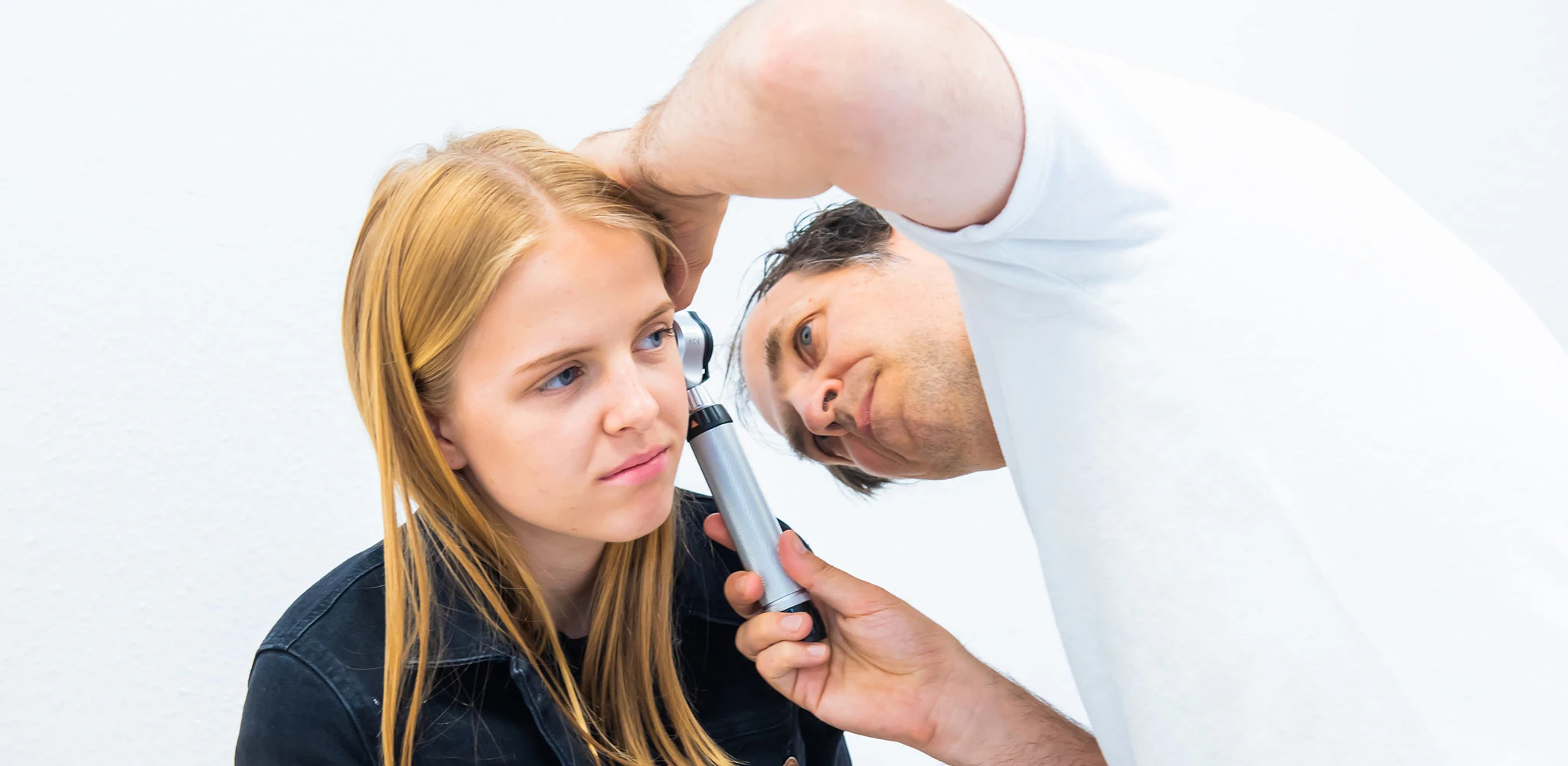
First of all, catcalling is verbal sexual harassment in the form of bad language, shouting or gesticulating in public, usually by men towards women. And if you look into it, you quickly learn that it is a very big issue and that - here is the link to paediatrics and adolescent medicine - it is above all an issue that puts a lot of pressure on young girls and adolescents.
You have to realise that: We're not talking about compliments here. A compliment means that I show my counterpart appreciation, that I also see the whole person. Catcalling, on the other hand, is belittling. It triggers fear and a feeling of humiliation in the girls and women concerned. It doesn't take much common sense to realise that statements like "I'd like to be your bike seat" or "hey, great tits" are not compliments. These are verbal sexual assaults.
Whether catcalling should or could be regulated by law - that's another issue. It is certainly difficult and prosecution is also difficult. But there are also quite a few countries where such laws already exist.
But what is important in any case is that we need to take this issue seriously as a society and bring it into schools, for example. From an early age, we should be talking about what good social interaction in public spaces should look like and that certain things are absolute no-goes. And it would be highly desirable for us all to be vigilant and intervene if we realise that such vile verbal insults are being levelled at women and adolescents.
Tip for further reading: www.marburg.de/portal/seiten/catcalling-ist-kein-kompliment-900003459-23001.html
Further interesting tips
Vitamin D
There is hardly a topic on which so much half- and three-quarter knowledge is circulating and on which so many people and channels on social media are spreading things that are often a little right, but not quite right. So the doc brings a little order to the matter.
Avoid disease transmission!
I received an interesting question from a mum. Namely: How can you, or to what extent do you have to avoid possible disease transmission to children in everyday life? Note in advance: We are making this generalised here, i.e. independent of coronavirus. Because it's clear that sensitivity to the transmission of infection is extremely high at the moment. But I think the question is generally important and will therefore be answered accordingly.
When to stay at home from daycare?
Today we are discussing the unfortunately rather complicated question of when a child should not go to nursery for health reasons - and when it is unnecessary to leave them at home. There are hardly any clear facts that can be used to judge this, but there are some points of reference for nursery teachers and parents.