
Early spring pollen allergy
Spring is actually fantastic. The sun is finally shining again, temperatures are rising and there's an end to grey in grey, because everything is green and in bloom. And that's exactly where the spring glories come to an end for some: for those who suffer from pollen allergies.
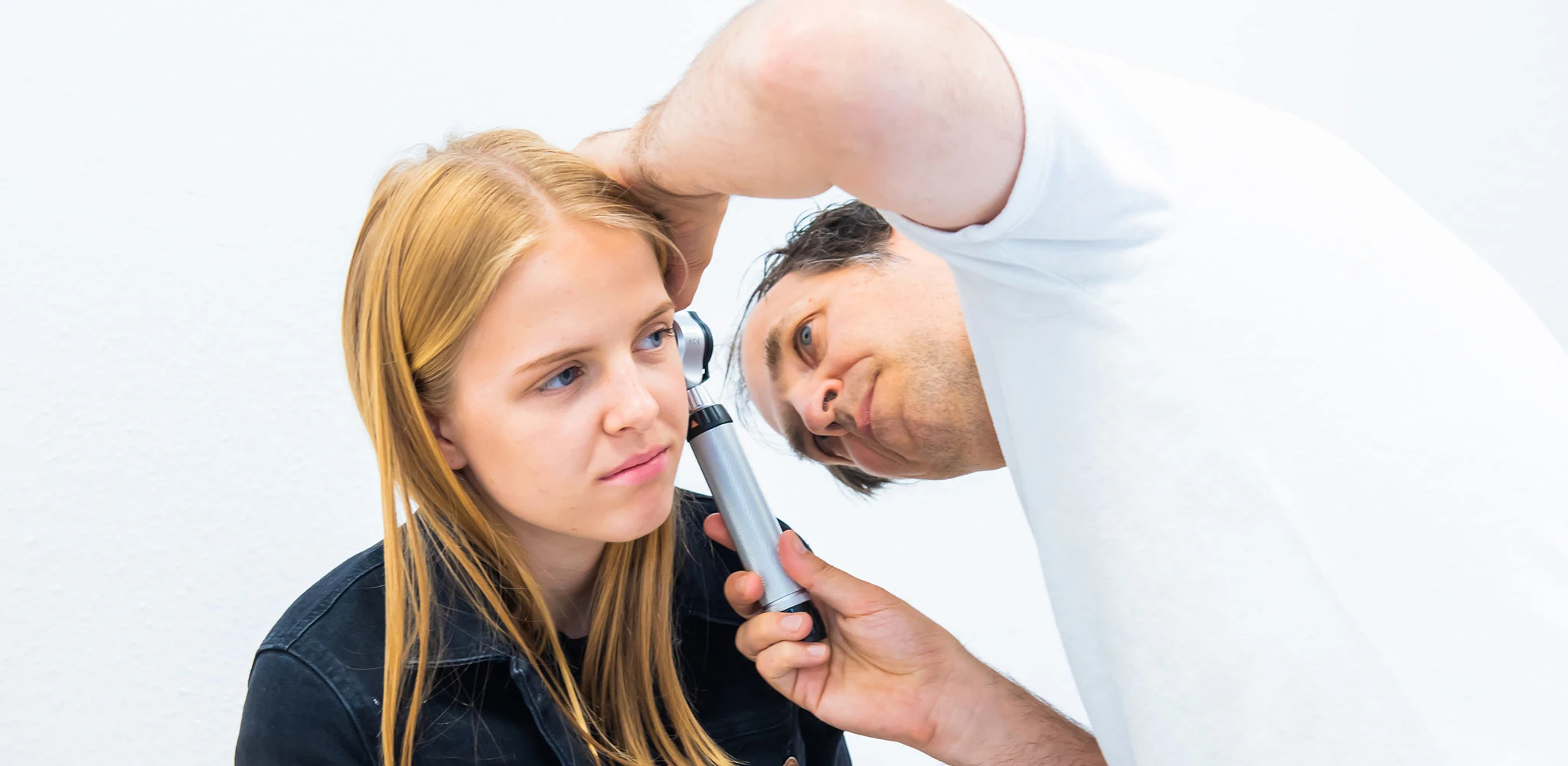
In terms of symptoms, children are virtually no different from adults: their noses itch and run, their eyes burn and itch and their conjunctiva turns red. It is also important to know that children are often much more tired and exhausted than usual.
In the advanced stage, the lower respiratory tract may also be affected and coughing or asthmatic symptoms may increase.
And what is the treatment? In principle, the same as for adults. Anti-allergy eye and nose drops, an anti-allergy drug such as cetirizine and, in very severe cases, a product containing cortisone can also be used. However, you should always discuss this with your doctor. The same applies to the treatment option of hyposensitisation. This is something like an "allergy vaccination" in which children are injected with small amounts of allergens over several years so that the body learns to no longer recognise the allergy and no longer react excessively to pollen.
Ultimately, an allergy is nothing more than a completely unnecessary overreaction of the immune system to intruders that are not actually dangerous, namely pollen.
Incidentally, the hygiene hypothesis is interesting in this context. This states that allergies are increasing in our country because children, especially small children, have too little contact with pathogens, infections or dirt. However, the immune system needs this contact in order to train.
How is a pollen allergy diagnosed? Actually from everyday life. Nice weather, the pollen starts to fly - and then the symptoms mentioned appear. The diagnosis is confirmed by taking a blood sample or carrying out a prick test. This is a test in which allergen solutions are dripped onto the forearm and the skin underneath is lightly scratched.
A few more everyday tips: Wash or wet your hair in the evening so that the children don't take the pollen to bed with them. Don't leave clothes that are also full of pollen in the children's room at night, but put them in another room. And, very important: close the windows, as pollen starts to fly from 3 or 4 o'clock in the morning and otherwise you will be exposed to pollen while you sleep.
Further interesting tips
Sharenting
"Jeez, what's sharenting?" some people will be thinking. It is the often somewhat careless uploading of children's photos to social media by parents. But there is so much to consider!
U8 screening
In our series on the U examinations, this time we look at the U8. The focus here: Movement, language, logic.
Health letter
A somewhat more difficult topic today - but one that we paediatricians are very concerned about. Because we are very often confronted with the fact that we are supposed to give a child a "clean bill of health". In other words, we are asked to certify schools, nurseries or childminders: This child is healthy. But we can't do that.