
What to do if you have a fever?
Many parents have one thing in common: the fear of a high temperature. Especially when the body temperature exceeds the 40-degree mark. The following lines should help you to correctly assess a fever.
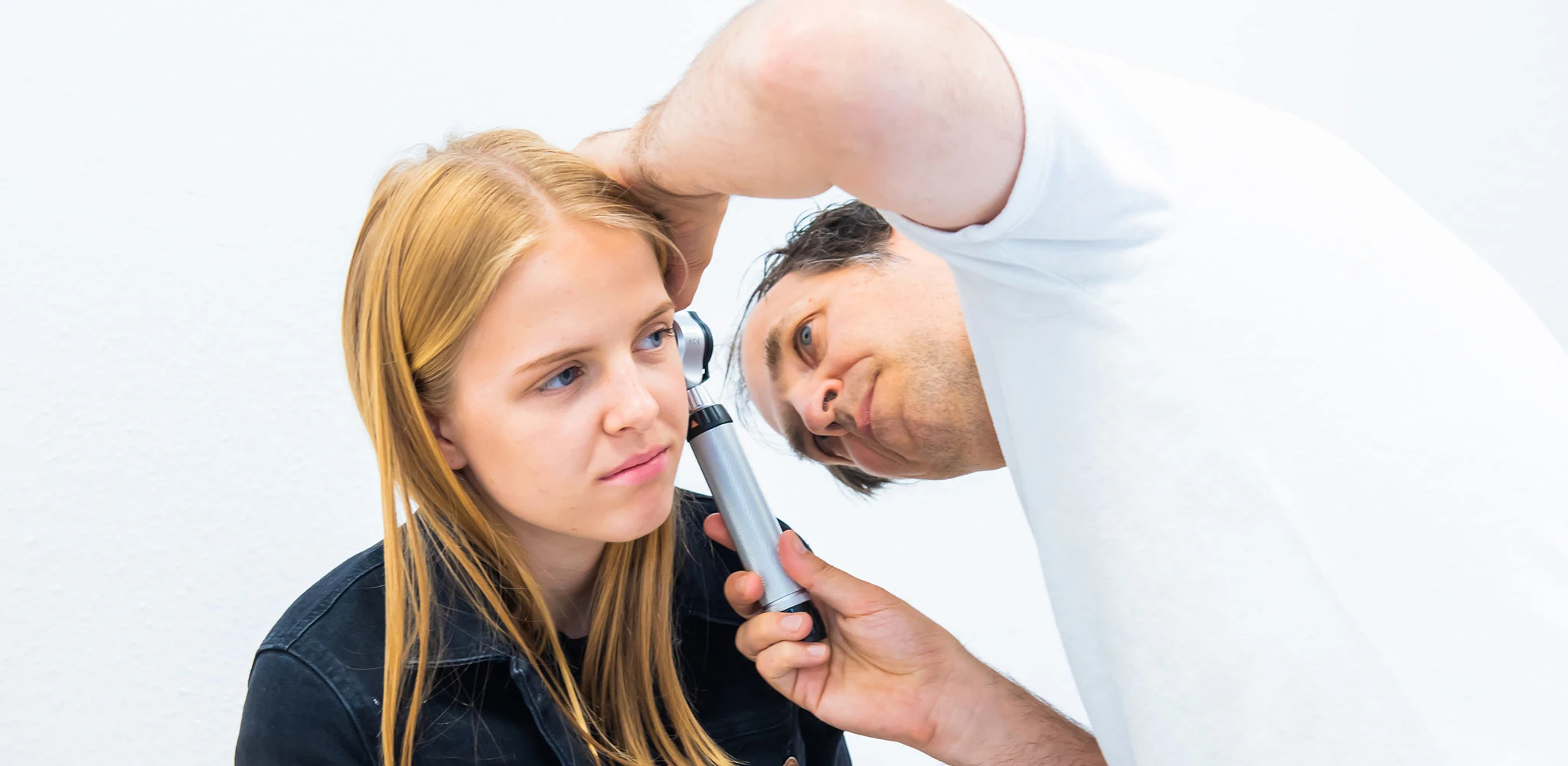
First of all: a fever is not an illness - it is a sign that the body is fighting an illness. For me as a paediatrician, the level of fever is not really a relevant criterion for assessing a child.
Let's start with the facts: The core body temperature is around 37 degrees, or to be more precise, it fluctuates between 36 and 38 degrees. The skin temperature is often higher, but this is irrelevant. In some cases, the temperature rises with very intense physical activity, but usually we speak of fever when the temperature exceeds 38 degrees.
Fever is a natural reaction of the body to pathogens. Messenger substances of the immune system raise the "operating temperature", the metabolism is increased (faster breathing, higher pulse, sweating), brain cells become more irritable, hallucinations (febrile delirium) and even febrile convulsions can occur. (However, we will deal with the rare cases of febrile convulsions in a separate video and information sheet)
IMPORTANT: Fever cannot cause a child to "burn up"! To get so-called hyperthermia, you have to walk in the desert without enough fluids, for example. In principle, the body's natural upper limit for fever is 41.5 degrees.
VERY IMPORTANT: The level of the fever does not correlate with the severity of the illness. For example, 3-day fever is a very harmless viral infection in babies and small children and is often accompanied by a very high fever. The children are usually in good general health. On the other hand, there are children who have no or only a slight fever and are really seriously ill.
In fact, fever ensures that more antibodies are produced in the body and that the living environment becomes less favourable for viruses and bacteria. Therefore, reducing fever is not really useful - because it also slows down the healing process.
As always, I advocate common sense or a healthy middle way. In other words, let the child have a fever if the child is not too unwell. If the pain is too severe, give something if necessary, especially as a painkiller rather than a fever reducer. The standard medicines ibuprofen and paracetamol always reduce pain and also reduce fever.
And when should you take your child to the doctor? Whenever the general condition seems strange. For example, a child with a temperature of 38.5 may be a case for the doctor because it is totally listless and not behaving normally. On the other hand, there are children with a body temperature of over 39 degrees who are still vital.
A doctor should always be consulted for infants with a fever in the first six months of life. In the case of older children, it is usually possible to wait one to three days, taking the above criteria into account. What should not be forgotten: In the context of a viral infection, a fever lasting up to seven days is not unusual.
Further interesting tips
Sneezing (photic sneeze reflex)
Do you know this? You step into the sunlight and - whoops - you have to sneeze. This phenomenon is called the photic sneeze reflex. Around a third of all people have this reflex.
Whooping cough
Whooping cough is a disease that has unfortunately not completely disappeared and is unlikely to disappear completely. One problem is that the vaccination only offers around 80 per cent protection. Even with good immunisation coverage, it must therefore be assumed that cases of whooping cough will occur again and again. So here are the important facts about this disease.
Buckling/lowering foot
Today a topic that can be categorised under "avoiding unnecessary visits to the practice", a true classic: the child's foot or the child's foot position.