
Adultism: Watch what you say!
Recently, the word "adultism" has been cropping up again and again in the education/school/nursery sector. So it's time to say something about it from a paediatrician's point of view.
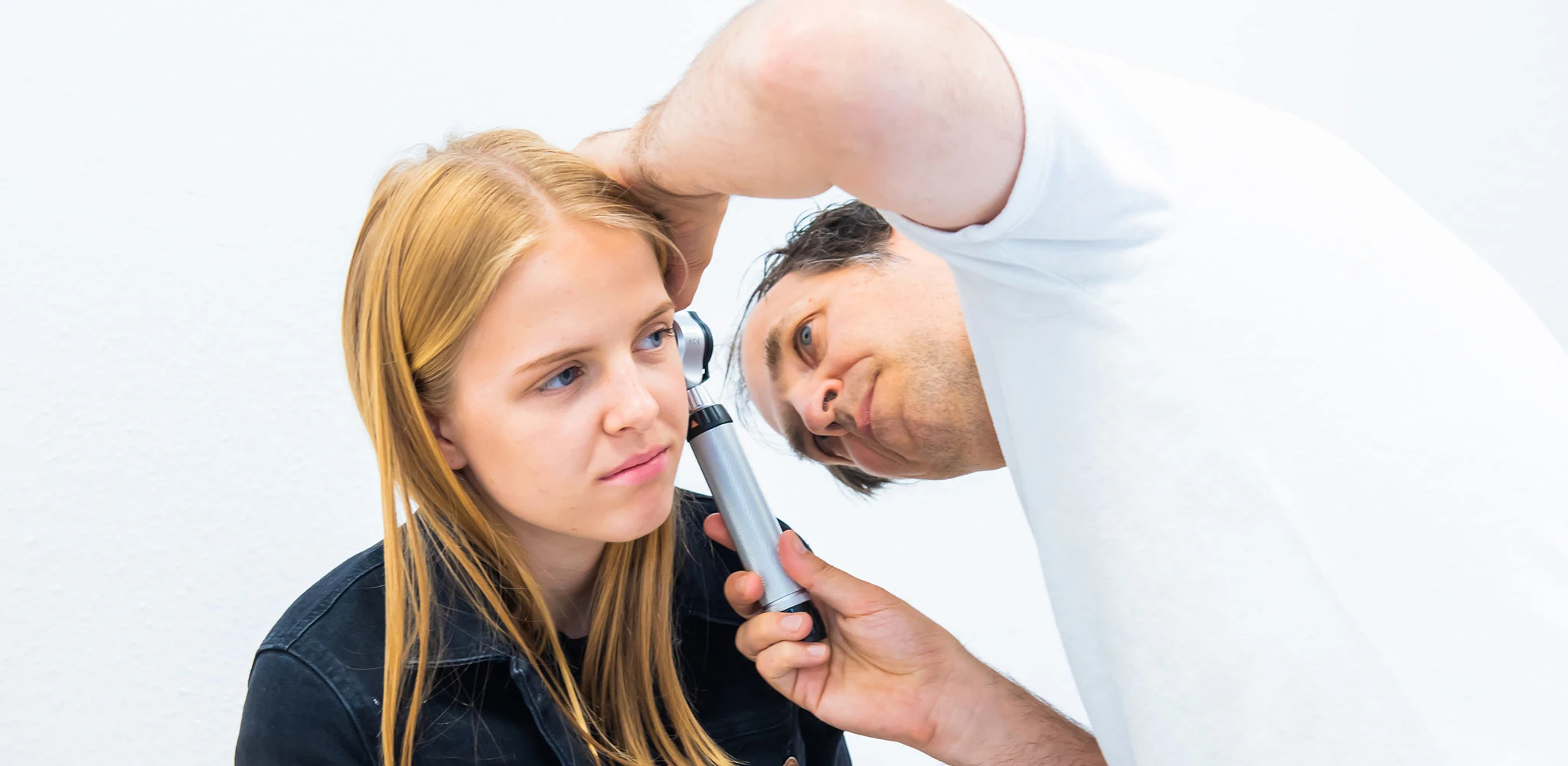
Adultism means that the power or knowledge gap between children and adults leads to children being discriminated against or shamed. Examples: the statement "That's not so bad", even though the child is in a lot of emotional pain or stress. Or the statement "You can't even know that yet, you can't have an opinion on that yet".
Fundamentally, the issue is very complex. And it is certainly the case that there is rarely malice behind such comments. It usually happens out of carelessness or because the adults are stressed. Nevertheless, it is good to sensitise people to the issue.
After all, statements such as "We grew up differently in the past" may be true, but it is undeniably sensible to take new findings into consideration. A drastic example that underlines the importance of this: in the 1980s (yes, in the 1980s!), babies were operated on without anaesthesia because it was assumed that they did not yet have a real sense of pain.
And today we know that small emotional injuries like those in the example sentences, if they happen again and again, are simply not good for children. So we should try to avoid them.
It is important to talk about the basics: If there is basically a climate in the family/kindergarten/school class where people try to avoid such things, then everything is okay. Then it's this "good enough" that we often talk about in educational matters. Then a child can take a stupid comment without it making a difference because they know that the overall atmosphere is okay.
And what is also important: being against adultistic behaviour does not mean being in favour of "laissez-faire" or simply letting everything run its course. It's simply about seeing where I can involve a child in decisions, where I can explain decisions. And of course there are things where adults have to set guidelines and communicate them clearly.
This also shows how complex the issue is. Because of course it all depends on age. For example, I can't trust a three-year-old child to cross a busy road on their own or make a vaccination decision. But I don't have to tell them "your opinion doesn't count", I can tell them that I have made a decision as an adult and that we can manage it together.
A good example is the topic of clothing: of course, babies are initially wrapped up warmly by their parents. And at some point, the parents realise that their child needs a little more or a little less warm clothing. And it may well be that, for example, a six-year-old child says "I'm not cold" and then you have to accept that this child may have one less coat on and still manage well.
So, always remember to listen to yourself, check your own communication - this can be really important for the children.
Further interesting tips
U5 screening
Preventive medical check-ups are an important topic for parents. When it comes to the U5, the child is six months old and they already know some of the key elements of these appointments.
Sun protection
When it comes to sun protection, as is so often the case, there are rules - but you also have to approach things with common sense. Please don't lock your children up out of panic about UV damage. Because both are possible: outdoor exercise and safe sun protection - if you follow a few rules. What never hurts: when adults set a good example.
Fever app
"You give me fever" - even the King sang about fever, so it's more than justified for us to dedicate ourselves to this topic for the second time. Because there is something cool and new.