
"One more bend and I'll spit!"
Oh, you wonderful holiday season. If only there wasn't one thing ... because all too often: holiday time is travel time - is time for spit-up car seats. This unpleasant phenomenon is called kinetosis or simply: travel sickness.
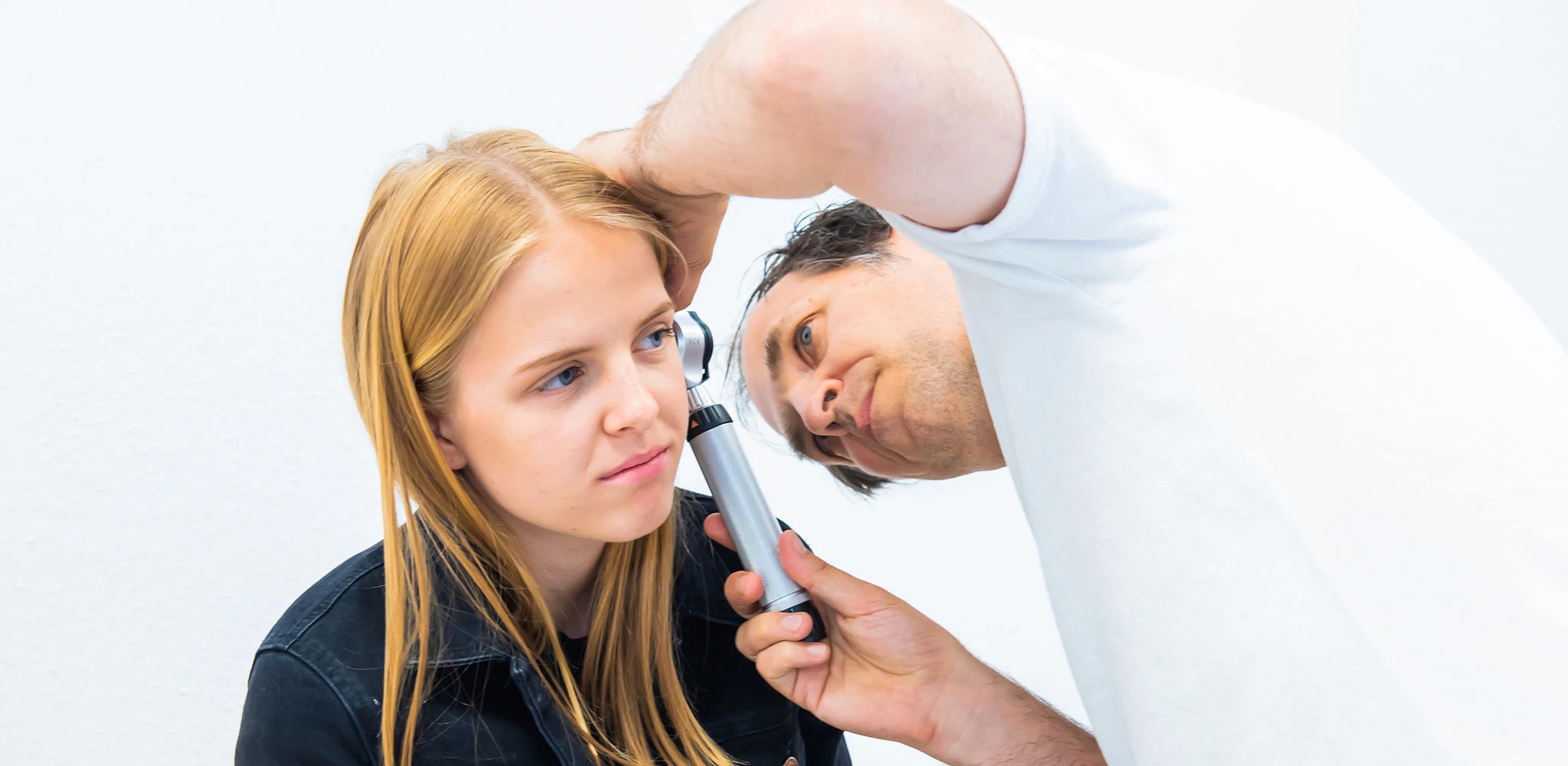
Many people know it from their own painful experience: whether you're travelling by car, bus, train or boat - travelling can make your stomach churn. Children in particular often get really sick on journeys, some to the point of vomiting. Travel sickness is typically experienced by children between the ages of two and twelve, before that it is rather rare.
It is not known with absolute certainty how travel sickness occurs, but it is assumed that some people are simply particularly sensitive when it comes to analysing the information received by their eyes, vestibular system and vibratory organs. If these sensory impressions do not match, nausea occurs. For example, the eye reports "We are moving!", but the vestibular organ says "We are sitting still!". This contradiction probably leads to nausea.
What can you do? Well, a spit-up bag should always be on board. It is helpful to look out for early signs: Many children start yawning or just get a bit funny when it starts. It is also good if a child who is prone to motion sickness can look out of the front window, i.e. sit in the centre back of the car or in the passenger seat if they are big enough.
Medicinally, you can try Nux-Vomica globules if you like. Vomex juice can also be used, it works well, but you should bear in mind that it also makes you quite tired.
A tip from a colleague who specialises in kinesiology: a newspaper folded several times between your T-shirt and jacket reduces vibrations and therefore also nausea. It may sound strange, but it doesn't hurt and is worth a try if in doubt.
Last but not least: Drive decently and don't speed through the bends like crazy. Children don't tolerate this very well.
Further interesting tips
Headache
Today, this is a topic that very often needs to be discussed with parents in paediatrics. And it is also a very, very complex topic. It's about headaches in children. Don't worry: in most cases, it doesn't have to be a headache.
RSV
Today we're talking about a topic that is currently on everyone's lips - and not just a challenge in terms of pronunciation: We're talking about the "respiratory syncytial virus", or RS virus for short, which is keeping paediatric practices and clinics particularly busy this year.
Fever
Many parents have one thing in common: the fear of a high temperature. Especially when the body temperature exceeds the 40-degree mark. The following lines should help you to correctly assess a fever.